Biden’s Cease-Fire Push, India and South Africa Elections, and an Immigration Executive Order
On this episode of American Prestige, headlines from around the globe.

The Nation Podcasts
Here's where to find podcasts from The Nation. Political talk without the boring parts, featuring the writers, activists and artists who shape the news, from a progressive perspective.
Biden’s Gaza Ceasefire Push, India and South Africa Elections, Immigration Executive Order | American Prestige
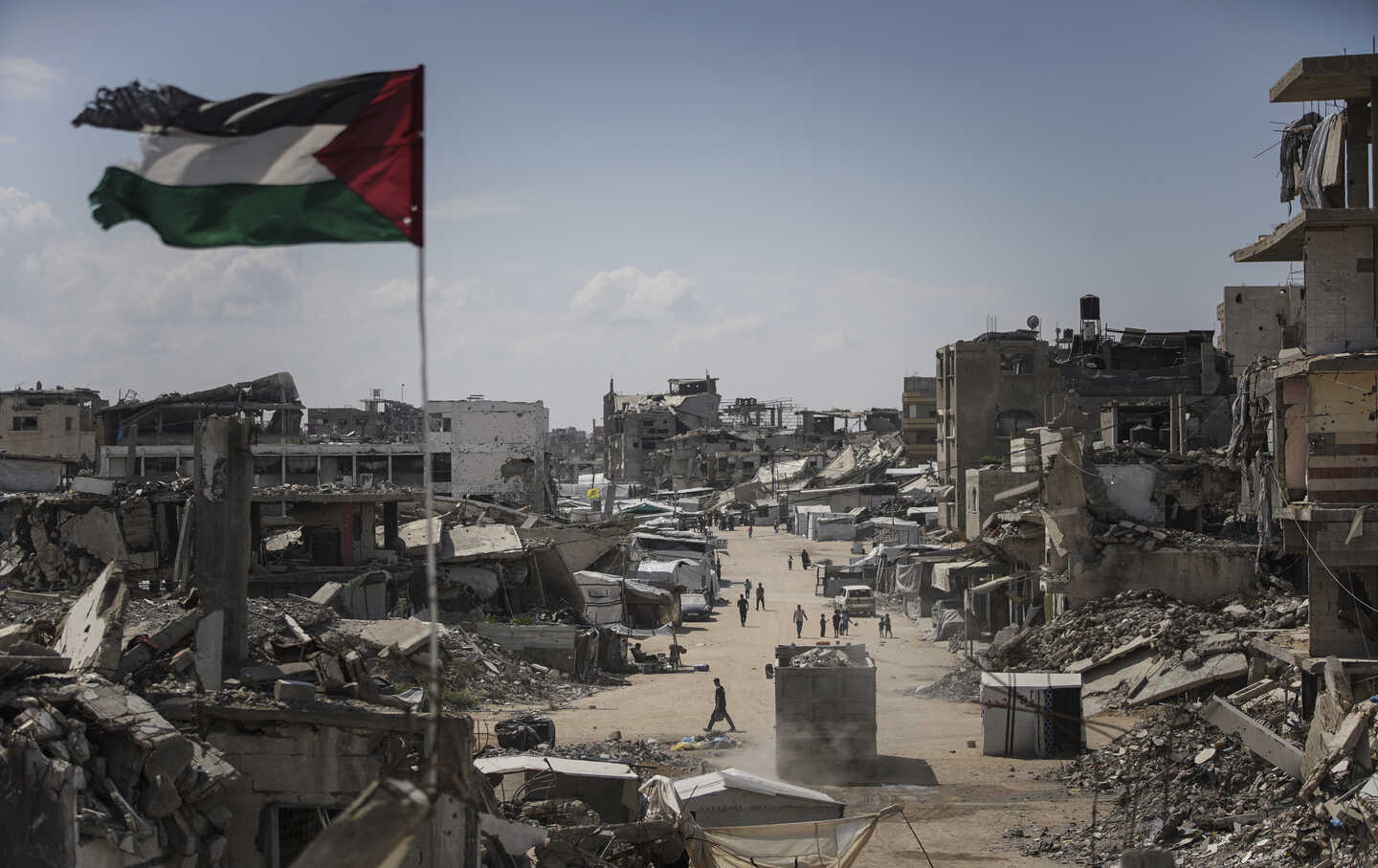
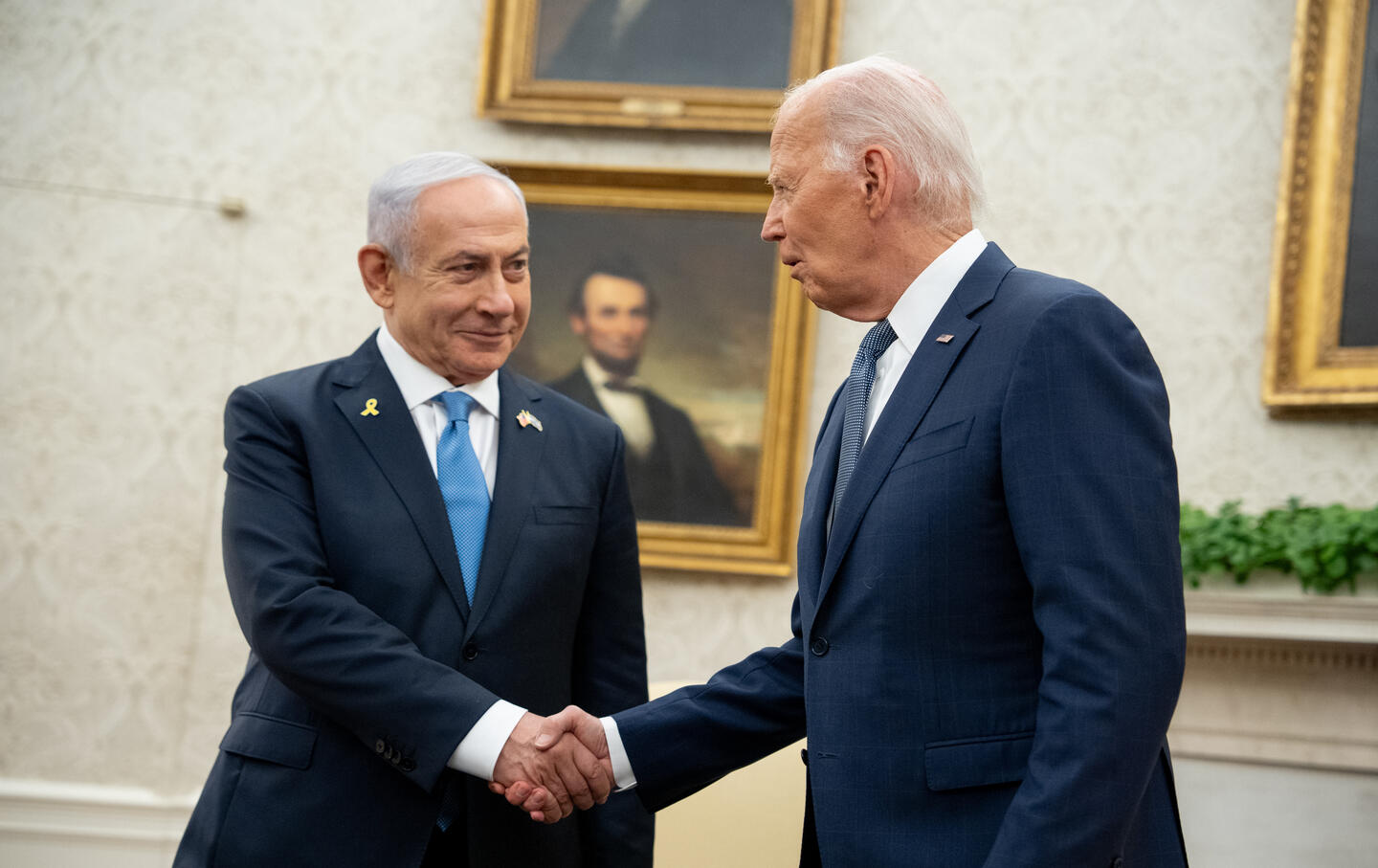
Once again, it’s your patented American Prestige News Roundup™. This week: in Palestine/Israel, Biden pushes a new ceasefire plan (0:30), an update on the situation on the ground in Gaza (8:06), Slovenia recognizes Palestinian statehood (11:37), and Congress (prematurely?) announces a Netanyahu visit (12:37); things further escalate between Hezbollah and Israel on the border with Lebanon (13:55); registration opens for candidates in Iran’s upcoming presidential election (16:45); India’s election sees another Modi victory, but the end of his BJP party’s 10-year majority (19:41); in Sudan, accusations of genocide in Darfur while another RSF atrocity is carried out in the country’s Gezira state (22:49); the results of South Africa’s election, where the African National Congress (ANC) has lost its parliamentary majority (25:21); Ukraine appears to have taken Blinken’s cue to begin using US/Western weapons in Russia (28:01); the results of Mexico’s election (31:02); Joe Biden issues a new executive order limiting asylum at the southern border (32:06); and the EU’s Copernicus Climate Change Service reports that May 2024 confirms 12 consecutive months of record-breaking global temperatures (35:12).
Check out our pre- and post-Mexican election specials with Alexander Aviña.
Advertising Inquiries: https://redcircle.com/brands
Privacy & Opt-Out: https://redcircle.com/privacy
A person waves a South African flag during the DA’s final rally in Benoni on May 26, 2024, ahead of the South African elections scheduled for May 29, 2024.
(Phill Magakoe / AFP)Once again, it’s your patented AP News Roundup™. On this week’s episode: In Palestine/Israel, Biden pushes a new cease-fire plan (0:30), there’s an update on the situation on the ground in Gaza (8:06), Slovenia recognizes Palestinian statehood (11:37), and Congress (prematurely?) announces a Netanyahu visit (12:37); things further escalate between Hezbollah and Israel on the border with Lebanon (13:55); registration opens for candidates in Iran’s upcoming presidential election (16:45); India’s election sees another Modi victory, but the end of his BJP party’s 10-year majority (19:41); in Sudan, accusations arise of genocide in Darfur, while another RSF atrocity is carried out in the country’s Gezira state (22:49); the African National Congress loses its parliamentary majority in South Africa’s election (25:21); Ukraine appears to have taken Blinken’s cue to begin using US/Western weapons in Russia (28:01); Mexico elects its first woman president (31:02); Joe Biden issues a new executive order limiting asylum at the southern border (32:06); and the EU’s Copernicus Climate Change Service reports that May 2024 confirms 12 consecutive months of record-breaking global temperatures (35:12).
The Nation Podcasts
Here's where to find podcasts from The Nation. Political talk without the boring parts, featuring the writers, activists and artists who shape the news, from a progressive perspective.
War Breaks in Tigray, Brazil Elections, Houthi/Ansar Allah Attacks Hit Saudi Airports / American Prestige
Derek has returned, but he keeps trying to get Danny to go to some seminar led by a charismatic “mentor” he encountered in his travels. In this week’s news: war breaks out in Ethiopia’s Tigray region (0:43); Flavio Bolsonaro wins the first round of Brazil’s presidential election as the right makes major gains (6:46); in Yemen, the government’s counteroffensive against Ansar Allah stalls (9:51), the group attacks airports in Saudi Arabia and Yemen (12:40), and Saudi Arabia seeks outside military support (13:42); the U.S. prepares to resume its war against Iran as the Islamic Republic intensifies attacks on oil tankers near the Strait of Hormuz (17:44); in Japan, a U.S. Marine’s arrest for alleged murder sparks protests against the American military presence on Okinawa (22:18); Sudan’s military advances in North Kordofan (25:20) and Sudanese military chief Abdel Fattah al-Burhan rejects peace talks (28:06); in Mali, Tuareg rebels withdraw from Kidal as government forces retake the town (29:54); the U.S. and the WHO seek information about suspected plague cases at a Russian lab (29:54); Russian attacks across Ukraine kill at least 25 (32:57); Spanish Prime Minister Pedro Sánchez calls a snap election (35:00); the U.S. bombs another alleged drug boat in the Caribbean (37:12); and Trump creates a new AI task force called the Super Intelligence Force (38:12).
Note: Since recording, Trump has said that the U.S. will not attack Iran before the November midterm elections.
Watch a replay of last night’s livestream with journalist Michael Fox about Brazil’s elections.
Subscribe and check out our History of Modern Palestine series with Rashid Khalidi.
Advertising Inquiries: https://redcircle.com/brands
Privacy & Opt-Out: https://redcircle.com/privacy
Search Results placeholder