Soviet Monumental Architecture
On this episode of American Prestige, Katherine Zubovich on her new book about skyscrapers in Moscow.

The Nation Podcasts
Here's where to find podcasts from The Nation. Political talk without the boring parts, featuring the writers, activists and artists who shape the news, from a progressive perspective.
Soviet Monumental Architecture with Katherine Zubovich | American Prestige
On this episode of American Prestige, Danny and Derek speak with Katherine Zubovich, associate professor of history at SUNY Buffalo, about her book, Moscow Monumental: Soviet Skyscrapers and Urban Life in Stalin's Capital. The discussion broaches what distinguishes Soviet design in the history of monumental architecture, the ill-fated Palace of the Soviets project, postwar Soviet skyscrapers, how ideology is reflected in the architecture, the challenges of ambitious urban planning in Moscow, and more.
Advertising Inquiries: https://redcircle.com/brands
Privacy & Opt-Out: https://redcircle.com/privacy
A postcard printed in the USSR shows aview of Leningrad Hotel, circa 1978.
(Igor Golovniov / Universal Images Group via Getty Images)On this episode of American Prestige, we speak with Katherine Zubovich, associate professor of history at SUNY Buffalo, about her book Moscow Monumental: Soviet Skyscrapers and Urban Life in Stalin’s Capital. The discussion ranges over what distinguishes Soviet design in the history of monumental architecture, the ill-fated Palace of the Soviets project, postwar Soviet skyscrapers, how ideology is reflected in the architecture, the challenges of ambitious urban planning in Moscow, and other topics.
The Nation Podcasts
Here's where to find podcasts from The Nation. Political talk without the boring parts, featuring the writers, activists and artists who shape the news, from a progressive perspective.
Iran and the End of Restraint w/ Trita Parsi and Akbar Shahid Ahmed | American Prestige
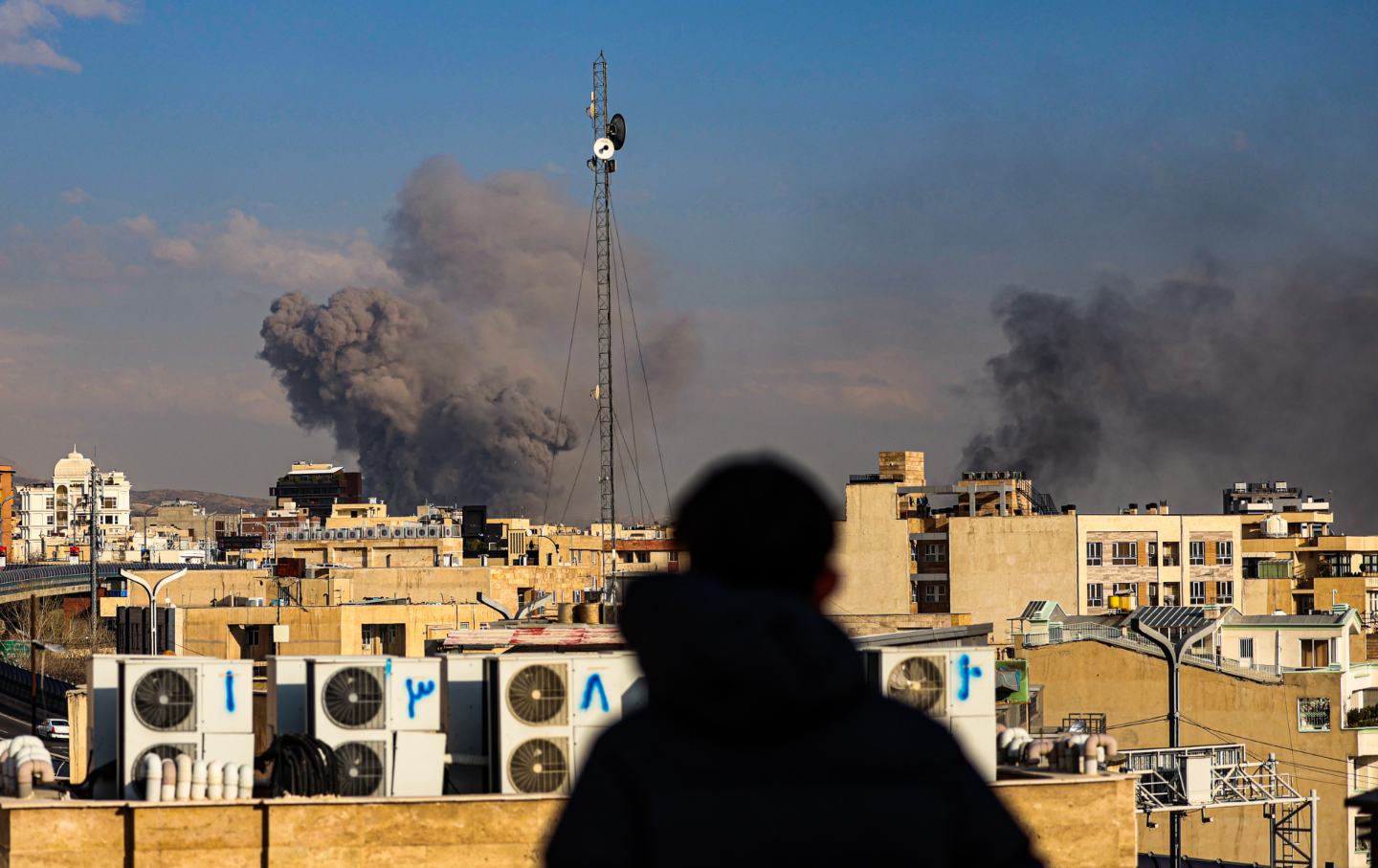
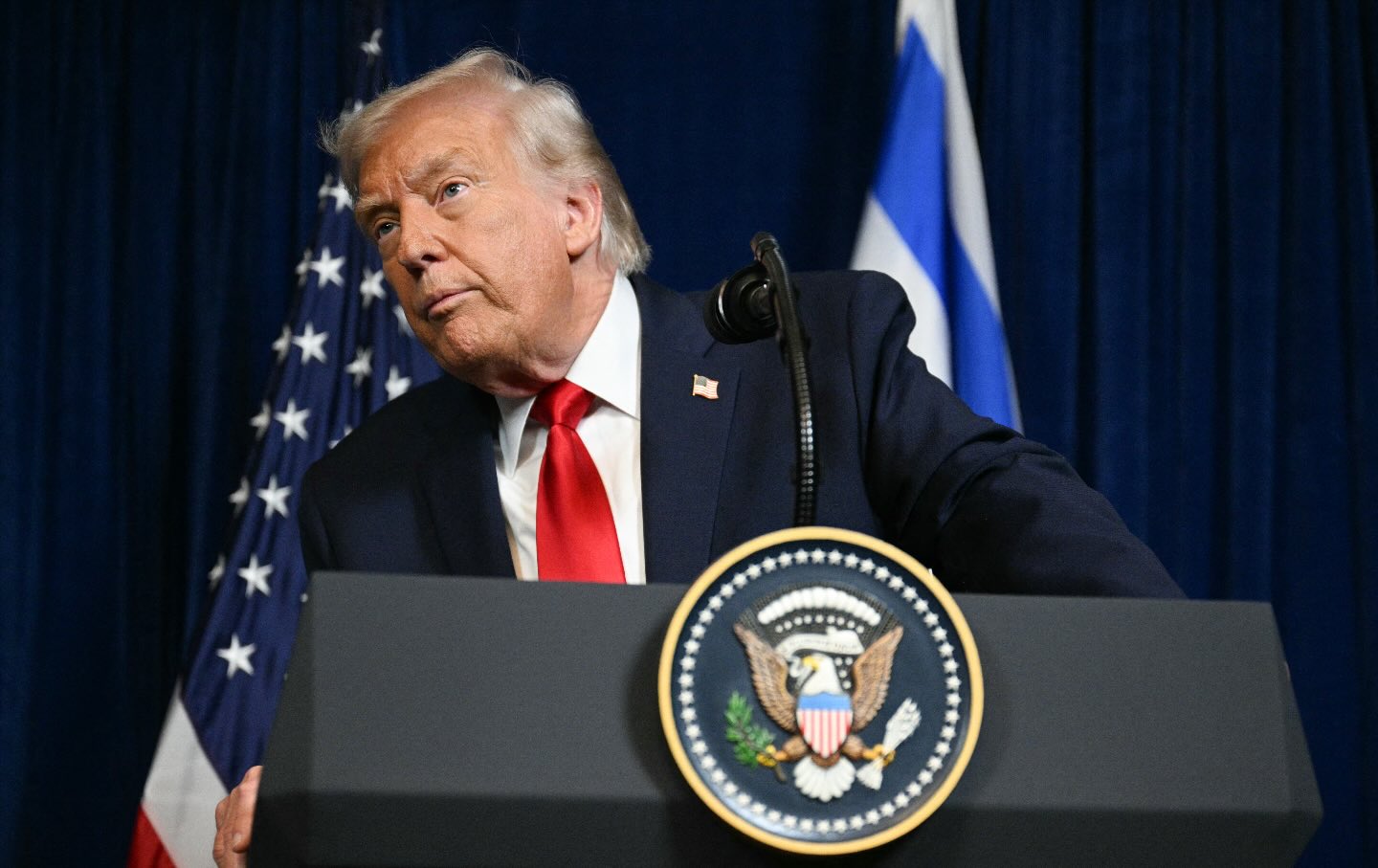
Danny and Derek are back with a two-part episode on the war with Iran. First, they speak with Trita Parsi of the Quincy Institute about the Trump administration’s decision to go to war, the belief that assassinating Ayatollah Khamenei would cause the regime to implode, the structure and failure of pre-war negotiations, the influence of Israeli officials and hawks, the potential for sending in ground troops, and the impact on Iranian society. They then speak with Akbar Shahid Ahmed, Senior Diplomatic Correspondent at HuffPost, about the erosion of rules of engagement, the alignment of U.S. and Israeli military strategy, congressional inaction, compliant allies, and whether any realistic off-ramps remain.
Read Akbar’s piece “Trump Says He Brought 'Justice' To Iran. His War Boosts Fears The U.S. Has Gone Rogue.”
Keep up with Quincy’s work at Responsible Statecraft and Always at War.
Advertising Inquiries: https://redcircle.com/brands
Privacy & Opt-Out: https://redcircle.com/privacy
Search Results placeholder
Subscribe to The Nation to Support all of our podcasts
Support independent journalism that does not fall in line
Even before February 28, the reasons for Donald Trump’s imploding approval rating were abundantly clear: untrammeled corruption and personal enrichment to the tune of billions of dollars during an affordability crisis, a foreign policy guided only by his own derelict sense of morality, and the deployment of a murderous campaign of occupation, detention, and deportation on American streets.
Now an undeclared, unauthorized, unpopular, and unconstitutional war of aggression against Iran has spread like wildfire through the region and into Europe. A new “forever war”—with an ever-increasing likelihood of American troops on the ground—may very well be upon us.
As we’ve seen over and over, this administration uses lies, misdirection, and attempts to flood the zone to justify its abuses of power at home and abroad. Just as Trump, Marco Rubio, and Pete Hegseth offer erratic and contradictory rationales for the attacks on Iran, the administration is also spreading the lie that the upcoming midterm elections are under threat from noncitizens on voter rolls. When these lies go unchecked, they become the basis for further authoritarian encroachment and war.
In these dark times, independent journalism is uniquely able to uncover the falsehoods that threaten our republic—and civilians around the world—and shine a bright light on the truth.
The Nation’s experienced team of writers, editors, and fact-checkers understands the scale of what we’re up against and the urgency with which we have to act. That’s why we’re publishing critical reporting and analysis of the war on Iran, ICE violence at home, new forms of voter suppression emerging in the courts, and much more.
But this journalism is possible only with your support.
This March, The Nation needs to raise $50,000 to ensure that we have the resources for reporting and analysis that sets the record straight and empowers people of conscience to organize. Will you donate today?