Gaza Ceasefire Tenuous, US Strikes More “Drug Boats,” Saudi State Visit
American Prestige brings you the news.

The Nation Podcasts
Here's where to find podcasts from The Nation. Political talk without the boring parts, featuring the writers, activists and artists who shape the news, from a progressive perspective.
Gaza Ceasefire Tenuous, US Strikes More “Drug Boats,” Saudi State Visit | American Prestige
Rest assured, no one on the AP team has any undeclared tattoos. In this week’s news roundup: In Israel-Palestine, Gaza’s so-called ceasefire holds after another weekend of Israeli strikes (1:36), the International Court of Justice (ICJ) orders Israel to allow more humanitarian aid (8:16), and reports emerge of a plan to partition Gaza (11:48) as J.D. Vance arrives in Israel and the Knesset advances West Bank annexation votes (14:21); Donald Trump looks set to host Mohammed bin Salman for the Saudi crown prince’s first U.S. visit since the Jamal Khashoggi murder (18:36); Afghanistan and Pakistan agree to a fragile ceasefire after cross-border clashes (21:16); Myanmar’s junta retakes a key commercial town and resumes its offensive (23:47); Japan elects hard-right Takaichi Sanae as its first female prime minister (27:27); in Sudan, drone strikes delay the reopening of Khartoum’s airport (29:59); new data shows jihadist groups tightening their grip across West Africa (31:19); the Trump-Putin-Zelensky saga takes several new turns, with canceled summits and contradictory sanctions (34:52); Rodrigo Paz wins Bolivia’s presidency and pledges to restore ties with Washington (41:28); the U.S. reportedly trades MS-13 informants for access to Nayib Bukele’s mega-prison in El Salvador (43:39); two more U.S. drone attacks hit alleged “drug boats,” one in the Pacific, as the head of Southern Command steps down (45:44); and the U.S. and Australia seal a new minerals deal to counter China (50:28).
Advertising Inquiries: https://redcircle.com/brands
Privacy & Opt-Out: https://redcircle.com/privacy
Bodies of Palestinians killed during Israel’s two-year-long attacks on the Gaza Strip and buried in temporary graves around Al-Shifa Hospital in Gaza City are being exhumed and reburied in family cemeteries, on October 24, 2025.
(Saeed M. M. T. Jaras / Anadolu via Getty Images)Rest assured, no one on the AP team has any undeclared tattoos. In this week’s news roundup: In Israel-Palestine, Gaza’s so-called ceasefire holds after another weekend of Israeli strikes (1:36), the International Court of Justice (ICJ) orders Israel to allow more humanitarian aid (8:16), and reports emerge of a plan to partition Gaza (11:48) as J.D. Vance arrives in Israel and the Knesset advances West Bank annexation votes (14:21); Donald Trump looks set to host Mohammed bin Salman for the Saudi crown prince’s first U.S. visit since the Jamal Khashoggi murder (18:36); Afghanistan and Pakistan agree to a fragile ceasefire after cross-border clashes (21:16); Myanmar’s junta retakes a key commercial town and resumes its offensive (23:47); Japan elects hard-right Takaichi Sanae as its first female prime minister (27:27); in Sudan, drone strikes delay the reopening of Khartoum’s airport (29:59); new data shows jihadist groups tightening their grip across West Africa (31:19); the Trump-Putin-Zelensky saga takes several new turns, with canceled summits and contradictory sanctions (34:52); Rodrigo Paz wins Bolivia’s presidency and pledges to restore ties with Washington (41:28); the U.S. reportedly trades MS-13 informants for access to Nayib Bukele’s mega-prison in El Salvador (43:39); two more U.S. drone attacks hit alleged “drug boats,” one in the Pacific, as the head of Southern Command steps down (45:44); and the U.S. and Australia seal a new minerals deal to counter China (50:28).
Subscribe now and check out our series on Silicon Valley with Margaret O’Mara here.
Subscribe to The Nation to support all of our podcasts: thenation.com/subscribe.
The Nation Podcasts
Here's where to find podcasts from The Nation. Political talk without the boring parts, featuring the writers, activists and artists who shape the news, from a progressive perspective.
Iran and the End of Restraint w/ Trita Parsi and Akbar Shahid Ahmed | American Prestige
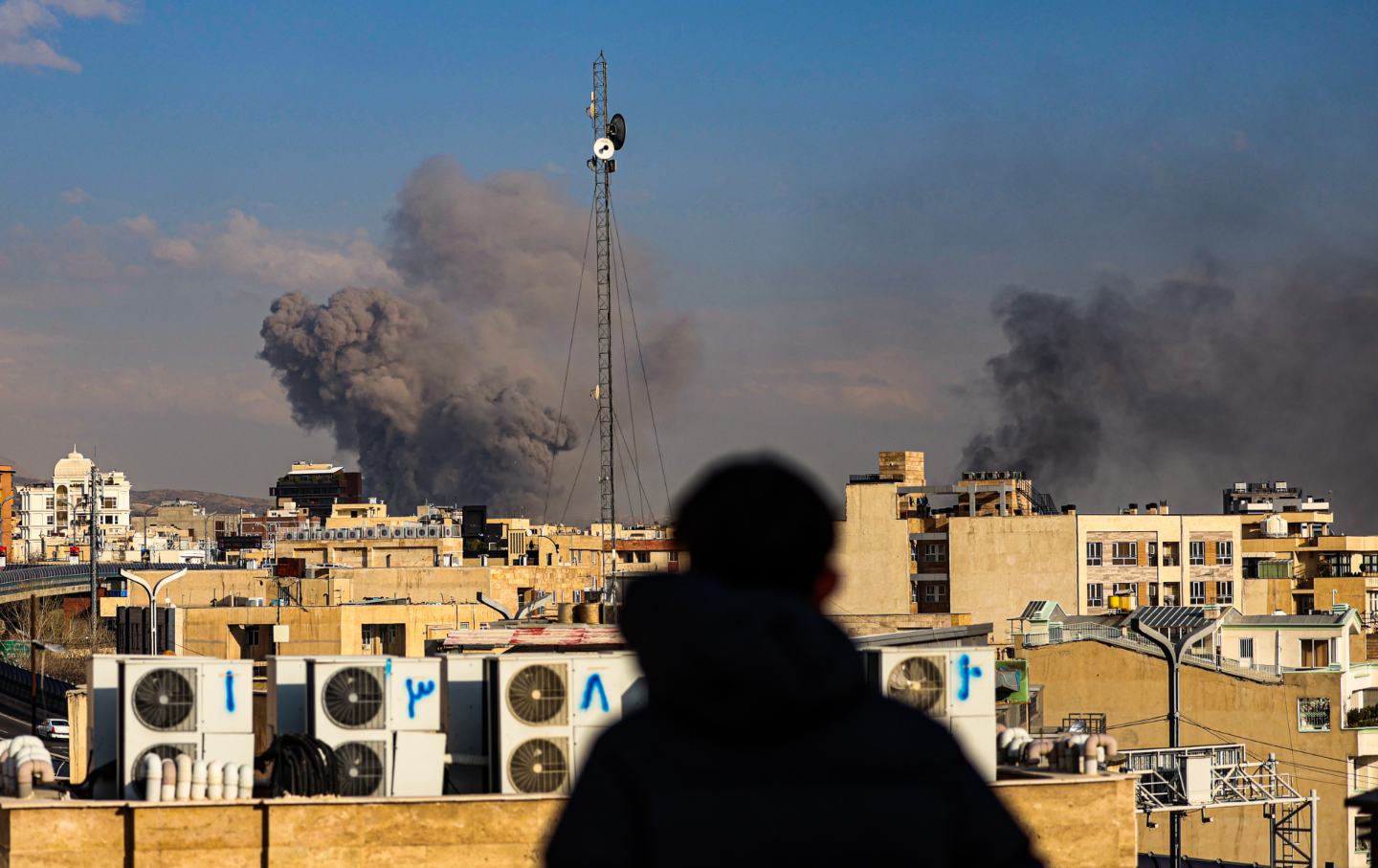
Danny and Derek are back with a two-part episode on the war with Iran. First, they speak with Trita Parsi of the Quincy Institute about the Trump administration’s decision to go to war, the belief that assassinating Ayatollah Khamenei would cause the regime to implode, the structure and failure of pre-war negotiations, the influence of Israeli officials and hawks, the potential for sending in ground troops, and the impact on Iranian society. They then speak with Akbar Shahid Ahmed, Senior Diplomatic Correspondent at HuffPost, about the erosion of rules of engagement, the alignment of U.S. and Israeli military strategy, congressional inaction, compliant allies, and whether any realistic off-ramps remain.
Read Akbar’s piece “Trump Says He Brought 'Justice' To Iran. His War Boosts Fears The U.S. Has Gone Rogue.”
Keep up with Quincy’s work at Responsible Statecraft and Always at War.
Advertising Inquiries: https://redcircle.com/brands
Privacy & Opt-Out: https://redcircle.com/privacy
Search Results placeholder