Houthis Resume Red Sea Attacks, New IDF Strikes in Lebanon, Deadly Kenya Protests
On this episode of American Prestige, all the news that’s fit to hear.

The Nation Podcasts
Here's where to find podcasts from The Nation. Political talk without the boring parts, featuring the writers, activists and artists who shape the news, from a progressive perspective.
Houthis Resume Red Sea Attacks, New IDF Strikes in Lebanon, Deadly Kenya Protests | American Prestige
Remember that today is the last day to order our limited edition “Robo Washington Crossing the Delaware” poster! Paid subscribers get a 50% discount!
AP’s retirement account is entirely tied to copper, so we’re not sure how long we have to do this. In this week’s news: Yemen’s Houthi/Ansar Allah fighters have resumed attacks on commercial ships in the Red Sea, sinking two (1:47); in Israel-Palestine news, Benjamin Netanyahu (on a visit to the White House) rules out a Palestinian state (4:50), ceasefire talks resume (7:56), and Israel has revealed a plan to “relocate” Gaza’s population (12:34); the IDF resumes attacks on Lebanon despite a ceasefire (15:54); the ICC issues warrants for the leaders of the Taliban (18:28); Trump revisits a “burden sharing” debate with South Korea (19:59); Trump invites a group of leaders from African countries to the White House (22:54); widespread protests in Kenya leave many dead (27:03); Trump reverses course on withholding military aid to Ukraine (29:01); the UK and France discuss a “coordinated nuclear deterrent” (32:41); the US and Colombia recall envoys in an intensifying diplomatic row (35:10); Trump sets a new date for reciprocal tariffs (37:35), threatens additional tariffs on BRICS countries (39:49), and threatens a 50% tariff on Brazil for putting Jair Bolsonaro on trial (42:04); and the US traffics 8 people to South Sudan (44:55).
Advertising Inquiries: https://redcircle.com/brands
Privacy & Opt-Out: https://redcircle.com/privacy
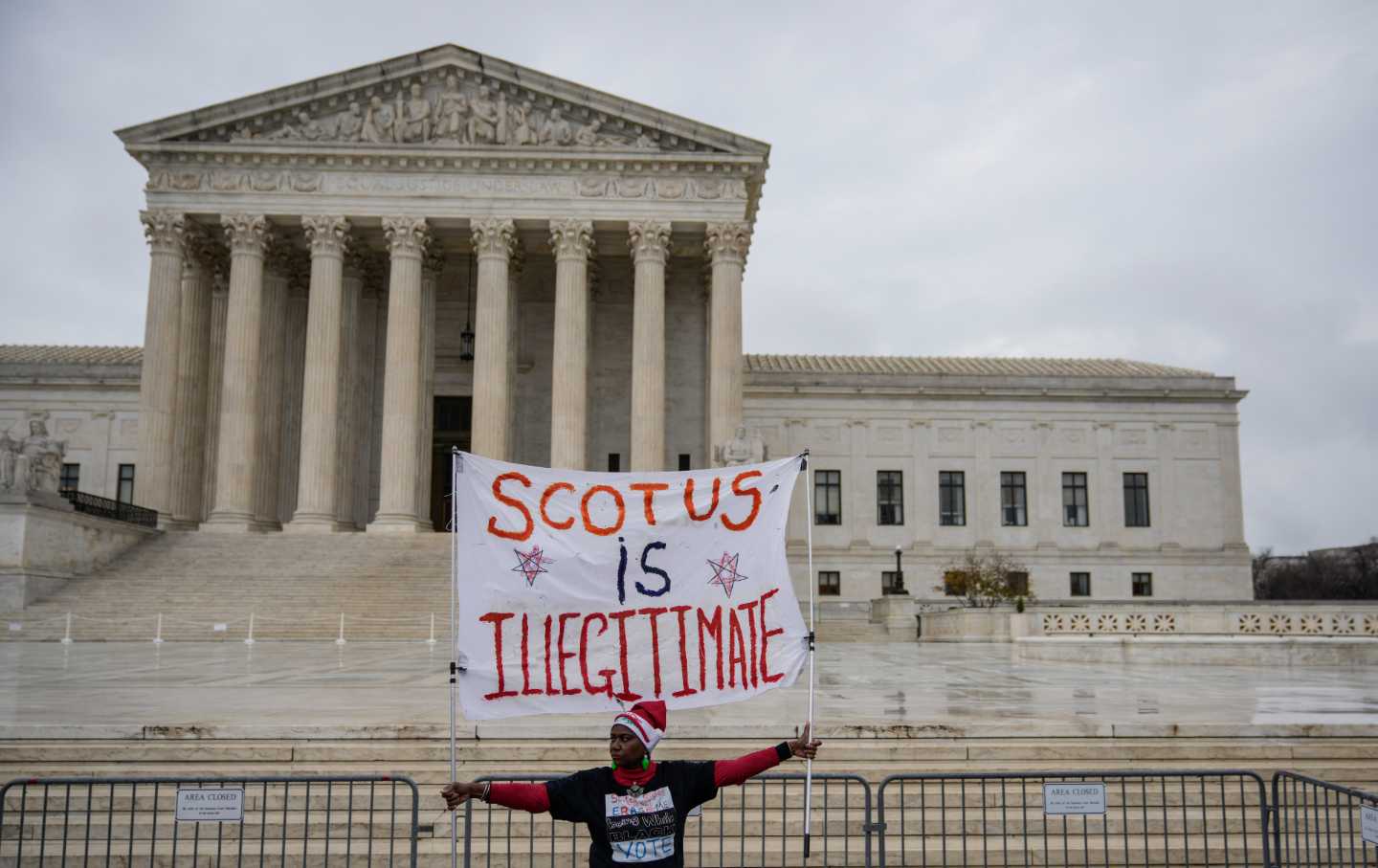
An activists reacts with emotion as she joins others holding Kenyan flags during the funeral of Boniface Kariuki, a street hawker who died from gunshot wounds days after being shot by Kenyan police during nationwide protests against police violence and government policies, in a village near Kangema on July 11, 2025.
(Luis Tato / AFP via Getty Images)Remember that today is the last day to order our limited edition “Robo Washington Crossing the Delaware” poster! Paid subscribers get a 50% discount!
AP’s retirement account is entirely tied to copper, so we’re not sure how long we have to do this. In this week’s news: Yemen’s Houthi/Ansar Allah fighters have resumed attacks on commercial ships in the Red Sea, sinking two (1:47); in Israel-Palestine news, Benjamin Netanyahu (on a visit to the White House) rules out a Palestinian state (4:50), ceasefire talks resume (7:56), and Israel has revealed a plan to “relocate” Gaza’s population (12:34); the IDF resumes attacks on Lebanon despite a ceasefire (15:54); the ICC issues warrants for the leaders of the Taliban (18:28); Trump revisits a “burden sharing” debate with South Korea (19:59); Trump invites a group of leaders from African countries to the White House (22:54); widespread protests in Kenya leave many dead (27:03); Trump reverses course on withholding military aid to Ukraine (29:01); the UK and France discuss a “coordinated nuclear deterrent” (32:41); the US and Colombia recall envoys in an intensifying diplomatic row (35:10); Trump sets a new date for reciprocal tariffs (37:35), threatens additional tariffs on BRICS countries (39:49), and threatens a 50% tariff on Brazil for putting Jair Bolsonaro on trial (42:04); and the US traffics 8 people to South Sudan (44:55).
Subscribe to The Nation to support all of our podcasts: thenation.com/podcastsubscribe.
The Nation Podcasts
Here's where to find podcasts from The Nation. Political talk without the boring parts, featuring the writers, activists and artists who shape the news, from a progressive perspective.
Special – International Law and the War on Iran w/ Maryam Jamshidi | American Prestige
Derek welcomes back legal scholar Maryam Jamshidi to discuss the legal aspect of the U.S.–Israel war on Iran. They talk about the administration’s shifting legal justifications, why the administration’s claims about Iranian threats and nuclear weapons fail under international law, the legal limits of self-defense, how the conflict fits within the laws of war, and the broader humanitarian and political consequences of the war for Iranian civilians and the country’s future.
Advertising Inquiries: https://redcircle.com/brands
Privacy & Opt-Out: https://redcircle.com/privacy
Search Results placeholder
Subscribe to The Nation to Support all of our podcasts
Support independent journalism that does not fall in line
Even before February 28, the reasons for Donald Trump’s imploding approval rating were abundantly clear: untrammeled corruption and personal enrichment to the tune of billions of dollars during an affordability crisis, a foreign policy guided only by his own derelict sense of morality, and the deployment of a murderous campaign of occupation, detention, and deportation on American streets.
Now an undeclared, unauthorized, unpopular, and unconstitutional war of aggression against Iran has spread like wildfire through the region and into Europe. A new “forever war”—with an ever-increasing likelihood of American troops on the ground—may very well be upon us.
As we’ve seen over and over, this administration uses lies, misdirection, and attempts to flood the zone to justify its abuses of power at home and abroad. Just as Trump, Marco Rubio, and Pete Hegseth offer erratic and contradictory rationales for the attacks on Iran, the administration is also spreading the lie that the upcoming midterm elections are under threat from noncitizens on voter rolls. When these lies go unchecked, they become the basis for further authoritarian encroachment and war.
In these dark times, independent journalism is uniquely able to uncover the falsehoods that threaten our republic—and civilians around the world—and shine a bright light on the truth.
The Nation’s experienced team of writers, editors, and fact-checkers understands the scale of what we’re up against and the urgency with which we have to act. That’s why we’re publishing critical reporting and analysis of the war on Iran, ICE violence at home, new forms of voter suppression emerging in the courts, and much more.
But this journalism is possible only with your support.
This March, The Nation needs to raise $50,000 to ensure that we have the resources for reporting and analysis that sets the record straight and empowers people of conscience to organize. Will you donate today?