The Houthis Escalate the Red Sea Conflict, the Pentagon Releases a Report on Iran War Costs, the BRICS Summit Exposes Divisions
Danny and Alex Jordan unpack the week’s global news, from Iran, Yemen, and Gaza to Russia-Ukraine, US sanctions policy, Brazil, and Sweden.

The Nation Podcasts
Here's where to find podcasts from The Nation. Political talk without the boring parts, featuring the writers, activists and artists who shape the news, from a progressive perspective.
Houthis Escalate Red Sea Conflict, Pentagon Report on Iran War Costs, BRICS Summit Exposes Divisions / American Prestige
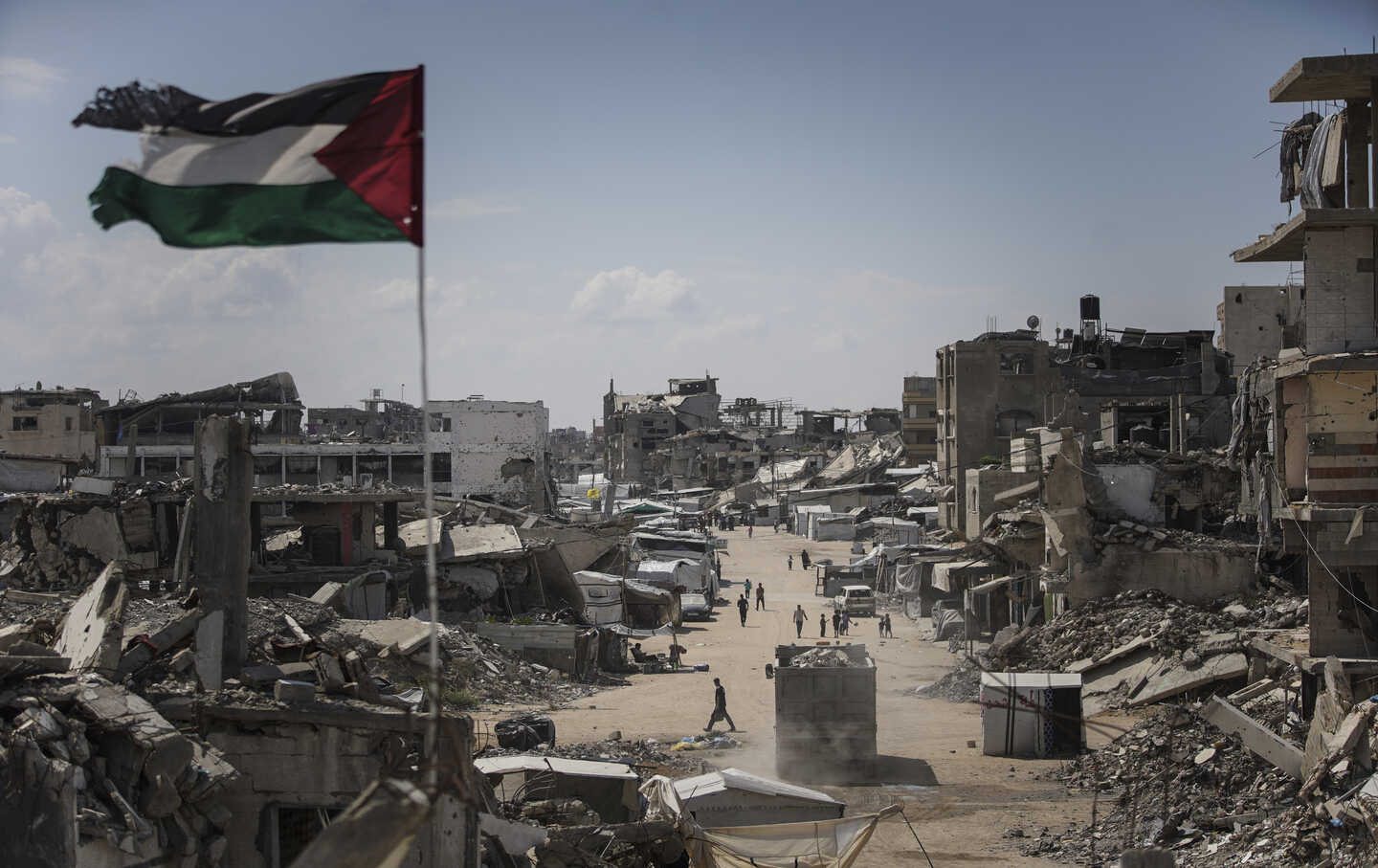
Derek has journeyed to Bolivia seeking contact with the newly discovered cat species, so Alex Jordan of Always at Warsteps in to bring you the headlines. This week: in New Delhi, BRICS member states issue a fractured joint statement on restraint in the Middle East (1:12); Iran strikes a U.S.-contracted vessel near the Strait of Hormuz (5:42); a cyberattack disables Texas-bound tankers (8:30); a new Pentagon report puts the Iran war’s cost at $33.4 billion (9:59); the Houthis/Ansar Allah advance in Taiz and hit Saudi Arabia (14:46); Yemeni government forces strike back while the U.S. rules out direct involvement (19:00); China pushes Iran to restrain the Houthis (22:37); an Israeli strike collapses a building in Gaza City, killing at least 21 people (25:12); the U.S. approves a $2.8 billion weapons sale to Israel (27:34); Russia and Ukraine strike each other’s energy infrastructure (30:57); the House passes a Russia sanctions bill named in honor of Lindsey Graham (33:37); a banking scandal roils Brazil’s presidential race (37:53); and in Sweden, a left-wing bloc narrowly wins an election (41:12).
Don’t forget to grab your copy of Danny’s new book Imperialist Realism.
Advertising Inquiries: https://redcircle.com/brands
Privacy & Opt-Out: https://redcircle.com/privacy
A commercial vessel is anchored off Yemen’s coast at Bab al-Mandeb on September 12, 2026.
(AFP via Getty Images)Derek has journeyed to Bolivia seeking contact with the newly discovered cat species, so Alex Jordan of Always at War steps in to bring you the headlines. This week: In New Delhi, BRICS member states issue a fractured joint statement on restraint in the Middle East (1:12); Iran strikes a US-contracted vessel near the Strait of Hormuz (5:42); a cyberattack disables Texas-bound tankers (8:30); a new Pentagon report puts the Iran War’s cost at $33.4 billion (9:59); the Houthis/Ansar Allah advance in Taiz and hit Saudi Arabia (14:46); Yemeni government forces strike back while the US rules out direct involvement (19:00); China pushes Iran to restrain the Houthis (22:37); an Israeli strike collapses a building in Gaza City, killing at least 21 people (25:12); the US approves a $2.8 billion weapons sale to Israel (27:34); Russia and Ukraine strike each other’s energy infrastructure (30:57); the House passes a Russia sanctions bill named in honor of Lindsey Graham (33:37); a banking scandal roils Brazil’s presidential race (37:53); and in Sweden, a left-wing bloc narrowly wins an election (41:12).
Don’t forget to grab your copy of Danny’s new book Imperialist Realism.
Subscribe to The Nation to support all of our podcasts: thenation.com/subscribe.
The Nation Podcasts
Here's where to find podcasts from The Nation. Political talk without the boring parts, featuring the writers, activists and artists who shape the news, from a progressive perspective.
The Political Power of Police Unions w/ Stuart Schrader / American Prestige
Danny and Derek speak with historian Stuart Schrader about the history and political power of police unions in the US. They discuss the rise of police unions in the 1960s, their relationship with organized labor, resistance to the civil rights movement and affirmative action, the role of race in policing, bipartisan support for policing and the 1990s crime bills, the growing political influence of the Border Patrol union, and the future of police reform and abolition.
Get your copy of Stuart’s book Blue Power: How Police Organize to Protect and Serve Themselves.
Advertising Inquiries: https://redcircle.com/brands
Privacy & Opt-Out: https://redcircle.com/privacy
Search Results placeholder