Iran Talks Stall, Hezbollah Drones Limit the IDF, Cuba Pretexts Build
Danny and Derek have reconciled with their disappointment in the new Star Wars film and can now bring you the news roundup.

The Nation Podcasts
Here's where to find podcasts from The Nation. Political talk without the boring parts, featuring the writers, activists and artists who shape the news, from a progressive perspective.
Iran Talks Stall, Hezbollah Drones Limit IDF, Cuba Pretexts Build / American Prestige
Danny and Derek have reconciled with their disappointment in the new Star Wars film and can now bring you the news roundup. This week: in Iran, talks stall as Trump weighs continuing the war (2:00), the Islamic Republic attempts to institutionalize control over the Strait of Hormuz (8:49), and fuel protests spread around the world (13:09); the IDF continues daily bombardments in Lebanon while Hezbollah drones restrict IDF ground operations (15:10); Trump considers a call with Taiwan’s president Lai Ching-te (18:32); Xi and Putin stage an uneventful summit in Beijing (21:47); Sudanese forces gain ground in Blue Nile State (23:23); a U.S.-Nigerian operation kills an Islamic State leader (25:26); Ebola spreads from northeastern DRC (27:45); in NATO news, the U.S. reduces its forces in Europe (30:25); Labour challengers emerge against Keir Starmer (33:36); Peru confirms a Fujimori-Sanchez runoff in its presidential election (35:23); Washington manufactures new pretexts against Cuba (36:49); Trump seeks a permanent U.S. presence in Greenland (41:15); and “Golden Dome” costs are estimated to reach $1.2 trillion (43:55).
Note: After the time of recording, Donald Trump walked back his decision to reduce US troops in Poland. Additionally, the situation in the Strait of Hormuz has changed due to Oman's interest in collecting "tolls."
Advertising Inquiries: https://redcircle.com/brands
Privacy & Opt-Out: https://redcircle.com/privacy
Iranian Foreign Minister Abbas Araghchi (R) meets Pakistani Interior Minister Mohsin Naqvi (L) in Tehran, Iran on May 21, 2026.
(Iranian Foreign Ministry / Handout / Anadolu via Getty Images)Danny and Derek have reconciled with their disappointment in the new Star Wars film and can now bring you the news roundup. This week: In Iran, talks stall as Trump weighs continuing the war (2:00), the Islamic Republic attempts to institutionalize control over the Strait of Hormuz (8:49), and fuel protests spread around the world (13:09); the IDF continues daily bombardments in Lebanon while Hezbollah drones restrict IDF ground operations (15:10); Trump considers a call with Taiwan’s president Lai Ching-te (18:32); Xi and Putin stage an uneventful summit in Beijing (21:47); Sudanese forces gain ground in Blue Nile State (23:23); a US-Nigerian operation kills an Islamic State leader (25:26); Ebola spreads from northeastern DRC (27:45); in NATO news, the US reduces its forces in Europe (30:25); Labour challengers emerge against Keir Starmer (33:36); Peru confirms a Fujimori-Sanchez runoff in its presidential election (35:23); Washington manufactures new pretexts against Cuba (36:49); Trump seeks a permanent US presence in Greenland (41:15); and “Golden Dome” costs are estimated to reach $1.2 trillion (43:55).
Note: After the time of recording, Donald Trump walked back his decision to reduce US troops in Poland. Additionally, the situation in the Strait of Hormuz has changed due to Oman’s interest in collecting “tolls.”
Subscribe to The Nation to support all of our podcasts: thenation.com/subscribe.
The Nation Podcasts
Here's where to find podcasts from The Nation. Political talk without the boring parts, featuring the writers, activists and artists who shape the news, from a progressive perspective.
Mutiny of the College-Educated Worker w/ Noam Scheiber / American Prestige
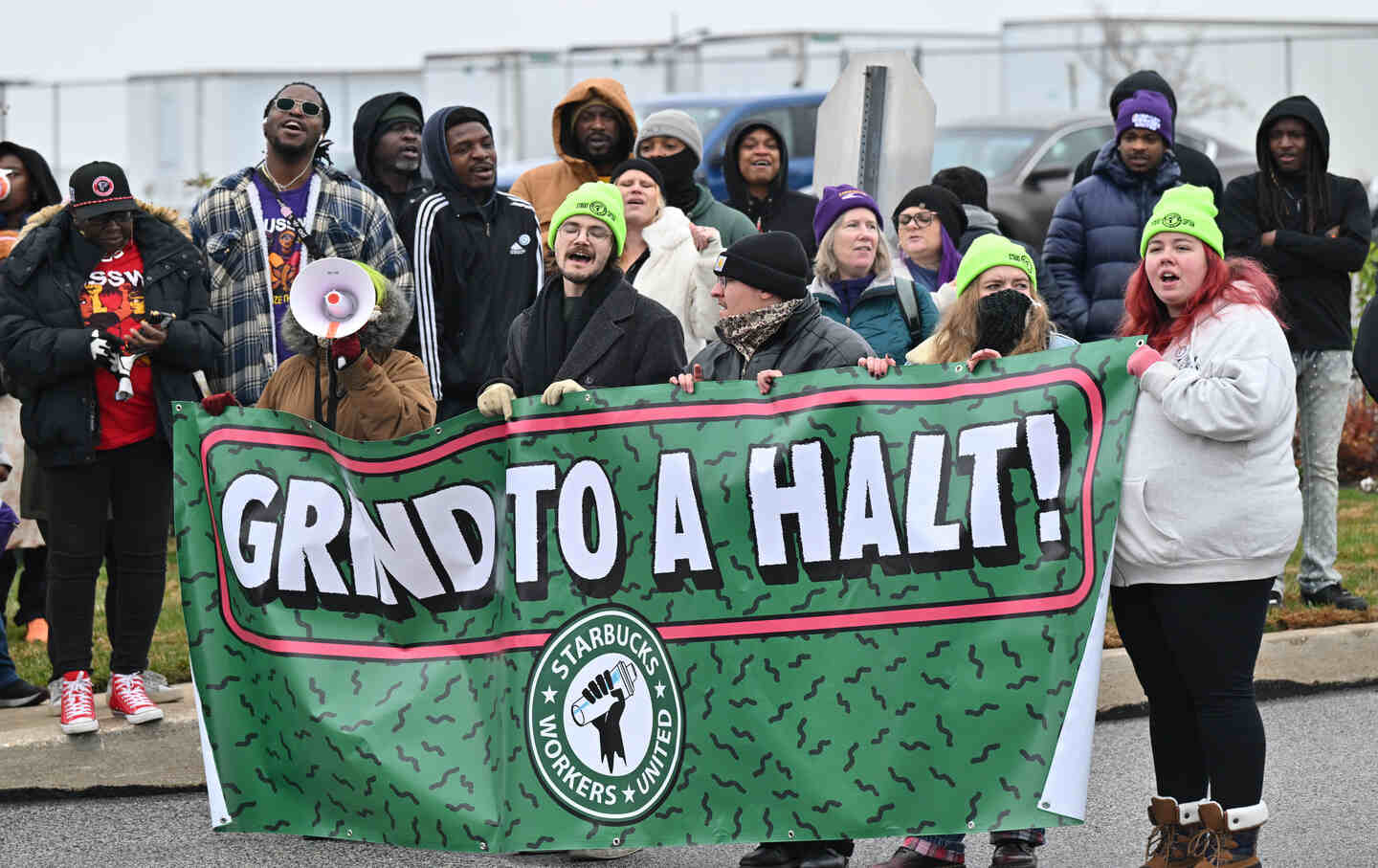
Danny and Derek talk with Noam Scheiber, New York Times reporter and author, about the radicalization of American college graduates. They discuss a Starbucks union campaign, underemployment among recent grads, the Taylorization of white-collar jobs, AI, corporate fixation on labor costs, the “con” of college for millennials, and the collapse of meritocracy.
Buy your copy of Noam’s book on the subject, Mutiny: The Rise and Revolt of the College-Educated Working Class.
Advertising Inquiries: https://redcircle.com/brands
Privacy & Opt-Out: https://redcircle.com/privacy
Search Results placeholder
Subscribe to The Nation to Support all of our podcasts
Become a Sustaining Donor This September
Between the reemergence of right-wing red-baiting and Donald Trump’s use of the chilling National Security Presidential Memorandum–7 to criminalize left political organizing, we’re seeing McCarthyism reborn before our eyes.
This assault on democracy cannot be ignored or wished away. Resisting it requires bravery in the face of threats and repression, a steadfast commitment to the truth, and the unwavering belief that we can—and will—overcome this darkness.
We must have an independent media that sets the record straight, unearths corruption and abuses of power, and advances a politics of justice and dignity for all if we’re to win this fight.
That’s why I’m writing to you today. This September, The Nation needs to add 100 monthly donors to sustain our progressive journalism. Your contribution makes the next investigative report, the next truth-speaking column, and the next pathbreaking essay all possible.
I hope you’ll support our work with a recurring donation today. If you donate $10 or more a month, we’ll send you a brand new “Hands Off the Free Press!” sticker to recognise your commitment to our cause. Please, donate today.
Onward,
Katrina vanden Heuvel
Editor and Publisher, The Nation