Columbia, Trump, and the Palestine Exception
On this episode of American Prestige.

The Nation Podcasts
Here's where to find podcasts from The Nation. Political talk without the boring parts, featuring the writers, activists and artists who shape the news, from a progressive perspective.
Columbia, Trump, and the Palestine Exception w/ Rashid Khalidi | American Prestige
Danny and Derek welcome historian Rashid Khalidi back to the program, this time to talk about Columbia University’s agreement with the Trump administration. They discuss the university equating criticism of Israel with antisemitism, the school bringing in outside monitors, bipartisan U.S. support for Israel despite shifting public opinion, and how donor influence and neoliberal management are both reshaping universities and eroding the humanities. They also preview Dr. Khalidi’s upcoming free public lecture series on Palestinian history.
Advertising Inquiries: https://redcircle.com/brands
Privacy & Opt-Out: https://redcircle.com/privacy
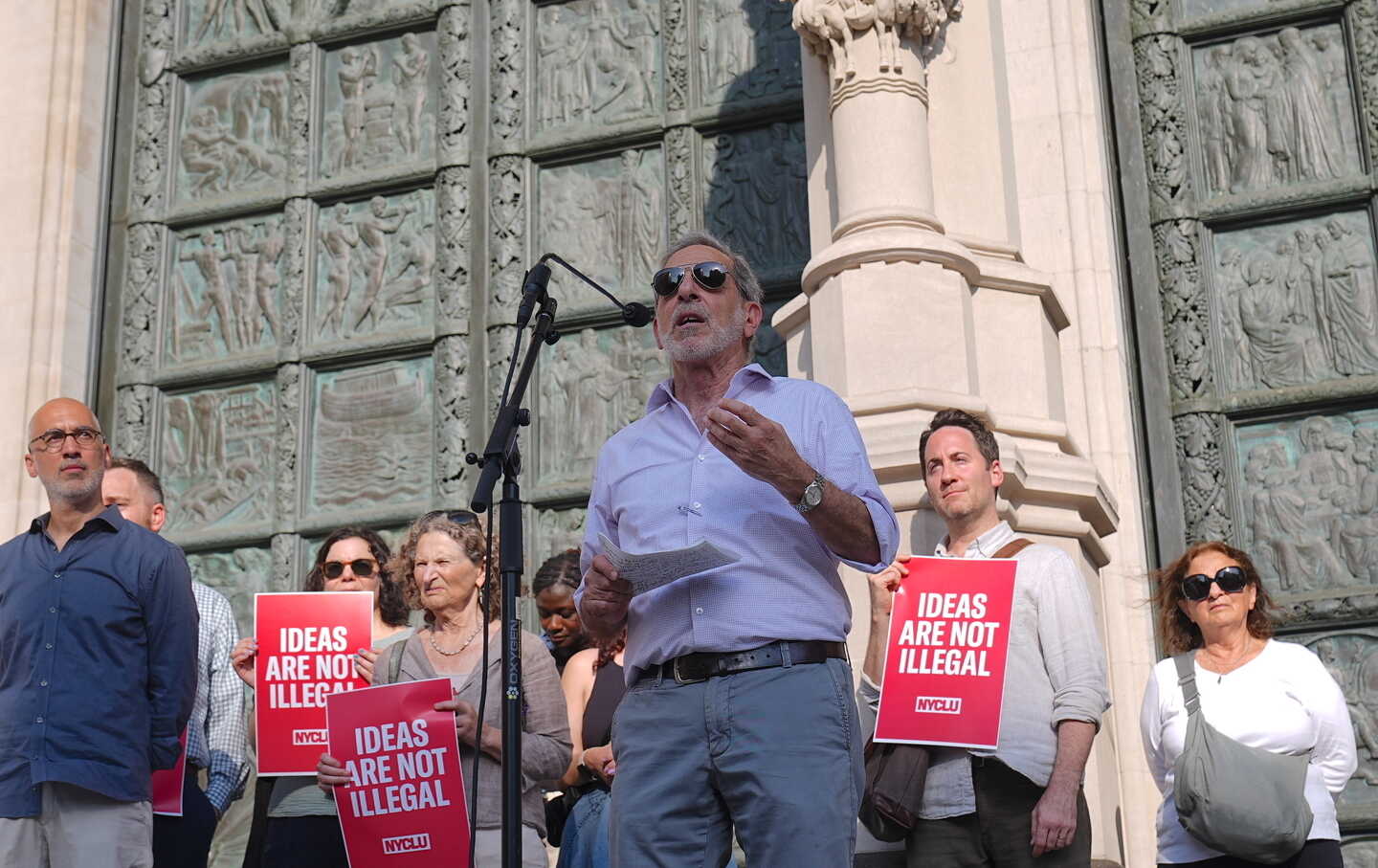
Rashid Khalidi speaks during a welcome rally for Mahmoud Khalil in Manhattan, New York.
(Selcuk Acar / Anadolu via Getty Images)Danny and Derek welcome historian Rashid Khalidi back to the program, this time to talk about Columbia University’s agreement with the Trump administration. They discuss the university’s equating criticism of Israel with antisemitism, the school’s bringing in outside monitors, bipartisan US support for Israel despite shifting public opinion, and how donor influence and neoliberal management are both reshaping universities and eroding the humanities. They also preview Dr. Khalidi’s upcoming free public lecture series on Palestinian history.
Subscribe to The Nation to support all of our podcasts: thenation.com/podcastsubscribe.
The Nation Podcasts
Here's where to find podcasts from The Nation. Political talk without the boring parts, featuring the writers, activists and artists who shape the news, from a progressive perspective.
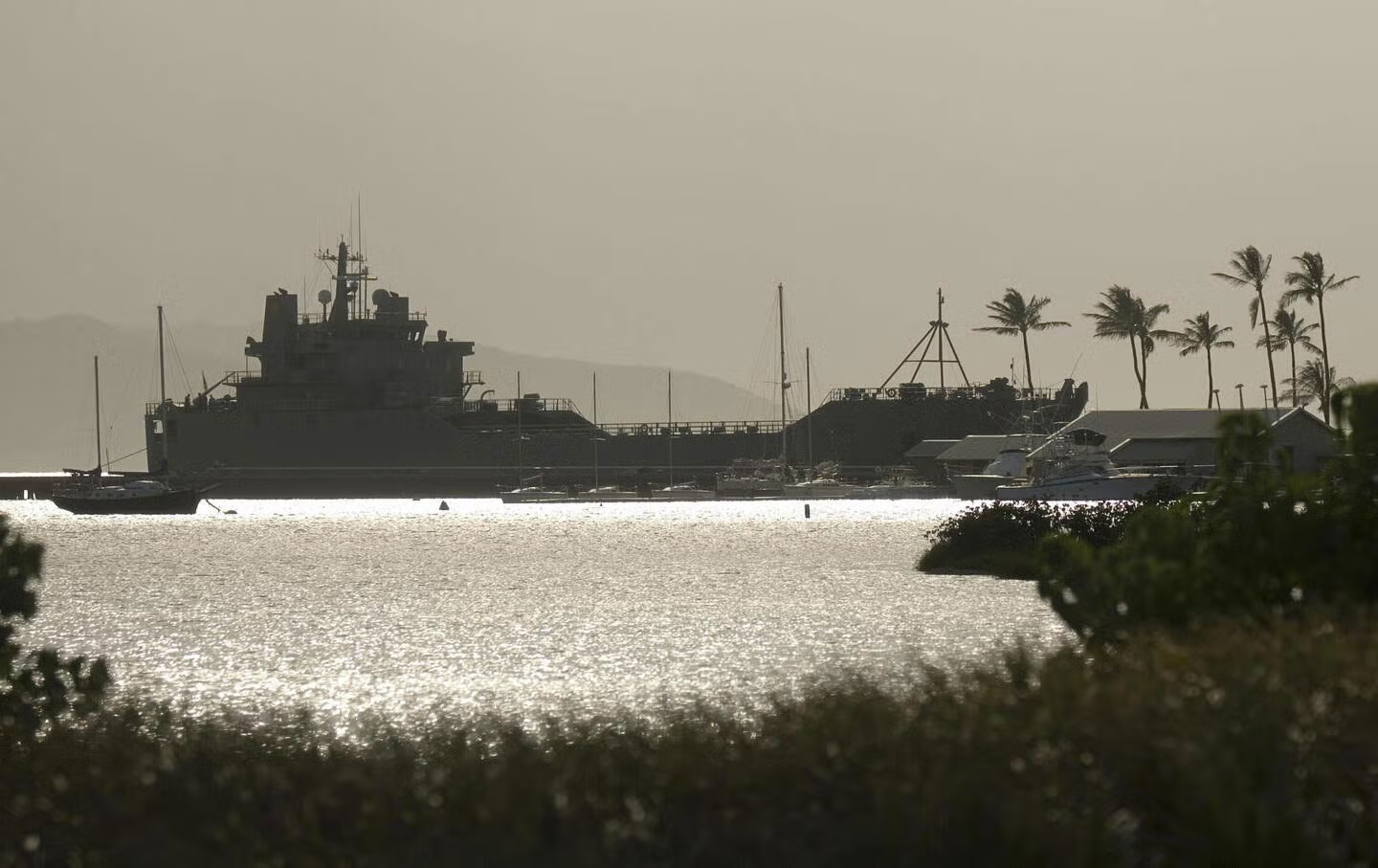
The Toll of the US Military Presence in Hawaii w/ Davis Price and David Vine / American Prestige
Danny and Derek speak with anthropologist David Vine and Davis Price, co-founder of ʻĀina Aloha Economic Futures and strategist at NDN Collective, about the impact of the U.S. military on Hawaii. They explore the overthrow and annexation of the Hawaiian Kingdom, Hawaii’s role in projecting American military power into East Asia, the security risks posed by military bases, the racial dynamics of American imperialism, the military’s overstated economic benefits, its contributions to Hawaii’s housing crisis, environmental contamination and cleanup, and the prospects for returning land to Native Hawaiian control as military leases expire.
Read their report "The True Cost of the U.S. Military in Hawai'i.”
Watch a video of the post-military vision "A Future Beyond Bases: Imagining Military Conversion in Hawaiʻi.”
Advertising Inquiries: https://redcircle.com/brands
Privacy & Opt-Out: https://redcircle.com/privacy
Search Results placeholder