Gaza Starvation, ICJ Climate Ruling, Thai-Cambodian Border Clash
On this episode of American Prestige, all the news you need to know this week.

The Nation Podcasts
Here's where to find podcasts from The Nation. Political talk without the boring parts, featuring the writers, activists and artists who shape the news, from a progressive perspective.
Gaza Starvation, ICJ Climate Ruling, Thai-Cambodian Border Clash | American Prestige
Don’t forget to buy our “Welcome to the Crusades” miniseries!
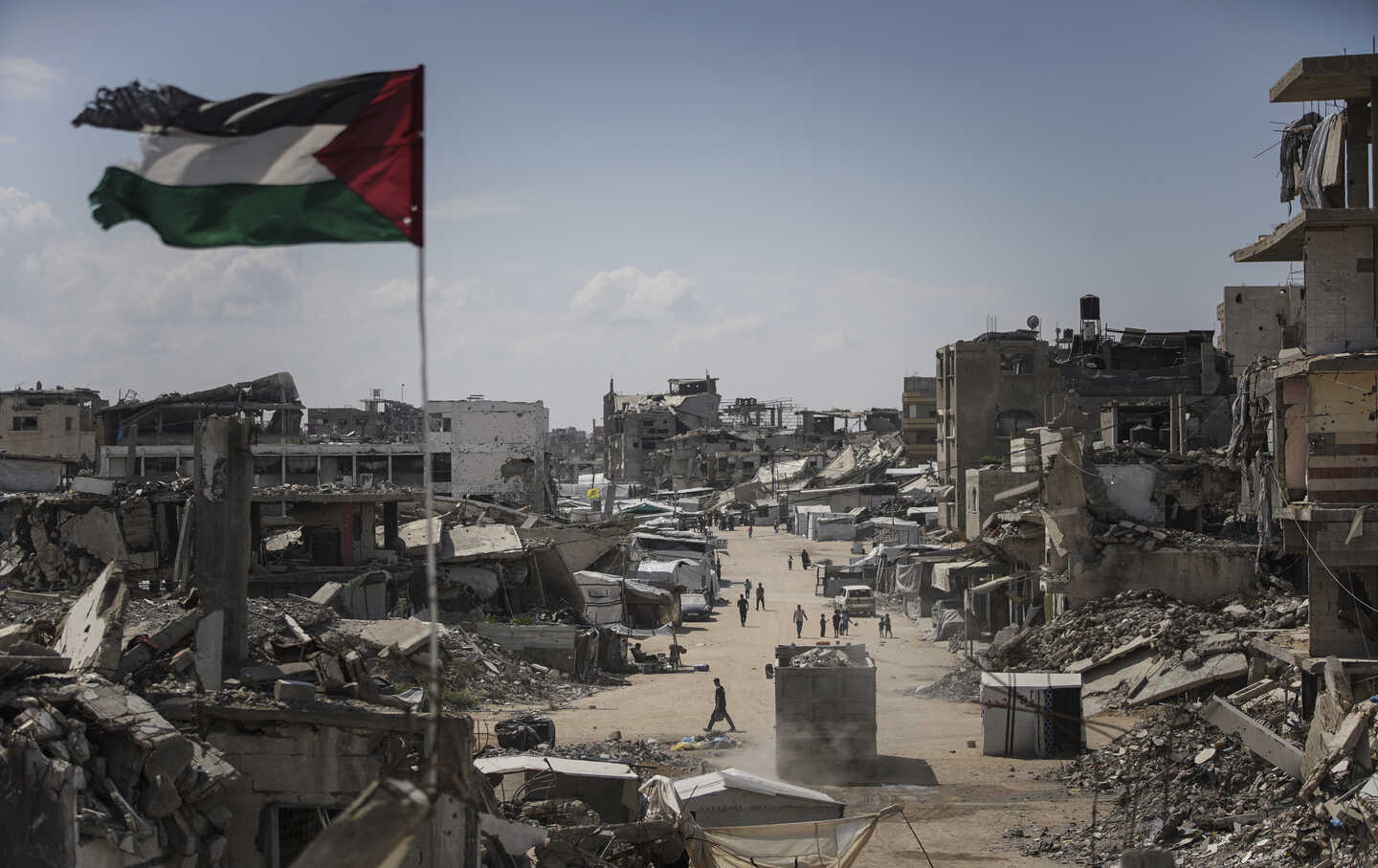
Danny and Derek also rail against the war pigs, but lack the heavy riffs. This week: the International Court of Justice rules that wealthy nations must take action on climate change or bear responsibility (1:20); clashes escalate on the Thai-Cambodian border (4:08); a ceasefire holds in Syria’s Suwayda province after clashes between Druze and Bedouin groups (9:06); in Israel-Palestine, Gaza’s starvation reaches catastrophic levels (13:19) as ceasefire talks barely limp along (16:23); Iran is reengaging with the International Atomic Energy Agency (20:49); the Democratic Republic of the Congo and M23 militant group sign a declaration of intent (23:05); in Ukraine, a new round of peace talks achieves little (25:24) while Zelensky responds to protests over corruption (28:27); Venezuela, the US, and El Salvador carry out a prisoner exchange amid accusations of torture (31:38); the Japan House of Councillors holds an election while PM Ishiba looks likely to resign (33:32); and Japan, the Philippines, and Indonesia make trade deals (36:10).
Advertising Inquiries: https://redcircle.com/brands
Privacy & Opt-Out: https://redcircle.com/privacy
A Thai soldier stands guard amid the escalation of the Thailand-Cambodia dispute in Surin Province, Thailand on July 25, 2025.
(Valeria Mongelli / Anadolu via Getty Images)Don’t forget to buy our “Welcome to the Crusades” miniseries!
Danny and Derek also rail against the war pigs, but lack the heavy riffs. This week: the International Court of Justice rules that wealthy nations must take action on climate change or bear responsibility (1:20); clashes escalate on the Thai-Cambodian border (4:08); a ceasefire holds in Syria’s Suwayda province after clashes between Druze and Bedouin groups (9:06); in Israel-Palestine, Gaza’s starvation reaches catastrophic levels (13:19) as ceasefire talks barely limp along (16:23); Iran is reengaging with the International Atomic Energy Agency (20:49); the Democratic Republic of the Congo and M23 militant group sign a declaration of intent (23:05); in Ukraine, a new round of peace talks achieves little (25:24) while Zelensky responds to protests over corruption (28:27); Venezuela, the US, and El Salvador carry out a prisoner exchange amid accusations of torture (31:38); the Japan House of Councillors holds an election while PM Ishiba looks likely to resign (33:32); and Japan, the Philippines, and Indonesia make trade deals (36:10).
Subscribe to The Nation to support all of our podcasts: thenation.com/podcastsubscribe.
The Nation Podcasts
Here's where to find podcasts from The Nation. Political talk without the boring parts, featuring the writers, activists and artists who shape the news, from a progressive perspective.
U.S. and Israel Plan Iran Strikes, Ansar Allah Hits Saudi Arabia, Mass Protests Sweep France / American Prestige
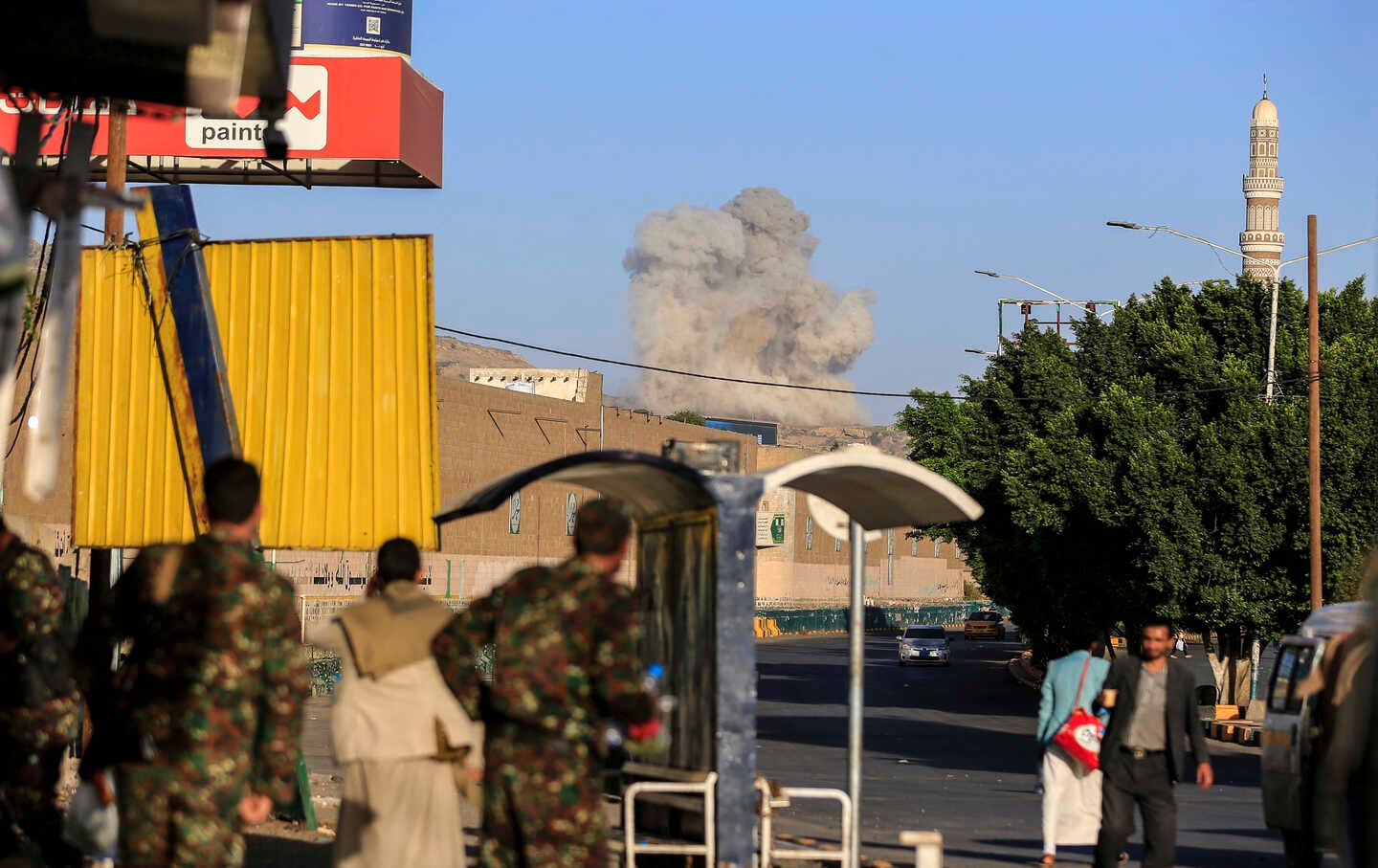
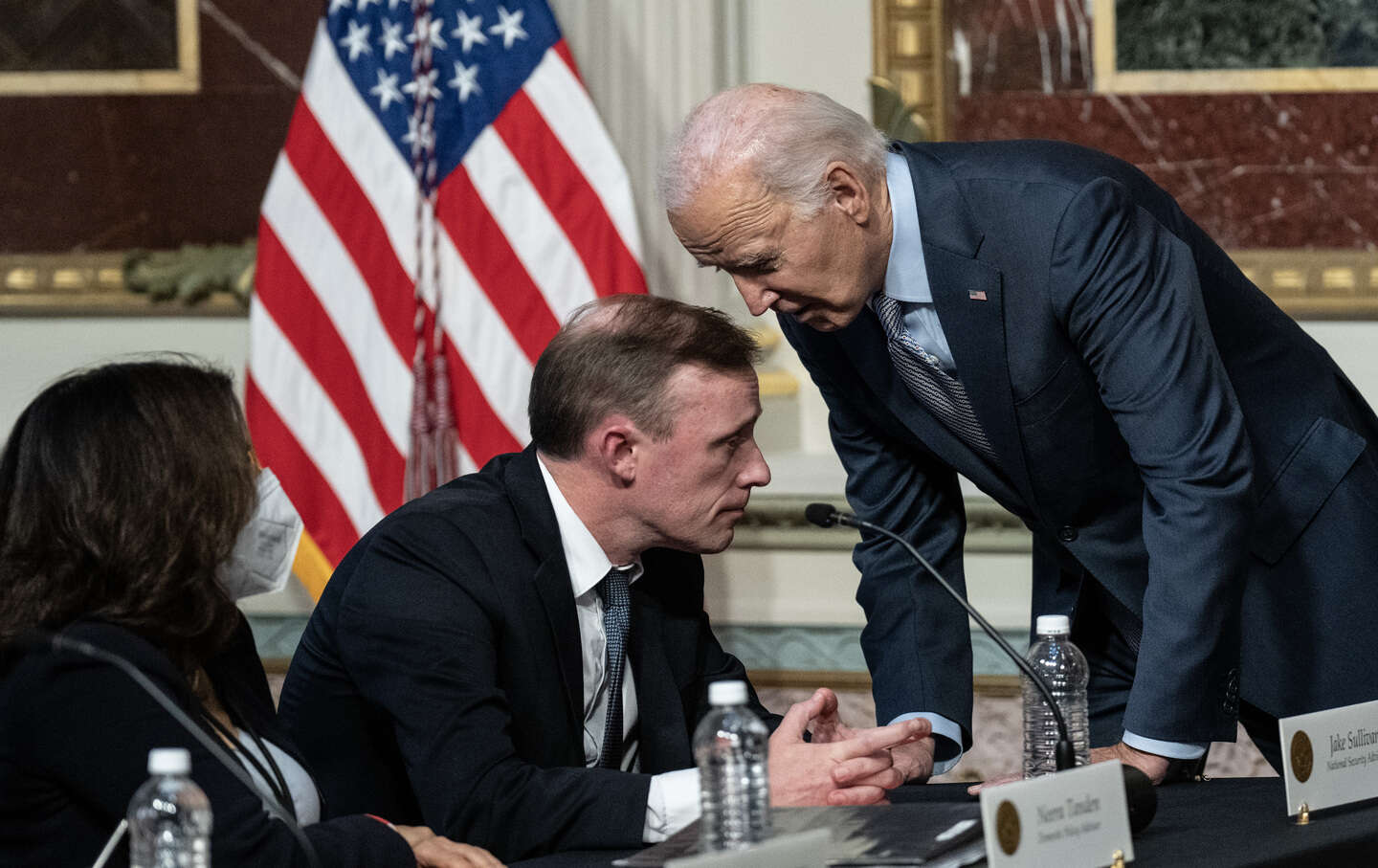
Neera Tanden has not yet posted a tirade about AP, and we’re starting to take it personally. In this week’s news: the U.S. and Israel prepare for renewed strikes against Iran after the midterms (1:07); an Ansar Allah/Houthi missile strike kills at least 73 people at a military camp in Yemen, while continued attacks force Saudi Arabia to cancel a major investment conference and Pakistan, Britain, Egypt, and France offer defensive support to the kingdom (7:52); Israeli settlers assault an American journalist and attack European diplomats, while Israeli forces detain dozens of volunteers in the West Bank (15:05); North Korea announces the resumption of anti-South Korean loudspeaker broadcasts amid unverified rumors that Kim Jong Un has died (19:12); drone strikes kill hundreds in Sudan and the disputed Abyei region (22:28); Ethiopia establishes a new interim administration in Tigray (25:02); the Ebola outbreak in the Democratic Republic of the Congo continues to spread (27:01); Ukraine resumes attacks on Russian oil refineries, angering Trump (29:33); Steve Witkoff meets with Zelenskyy and Putin as the U.S. restores intelligence support for Ukraine (30:41); Russia signals a possible return to peace talks (32:28); massive protests over the high cost of living sweep France (37:30); and Haitian armed groups abduct four Salvadoran soldiers, prompting El Salvador to threaten military action (40:58).
Advertising Inquiries: https://redcircle.com/brands
Privacy & Opt-Out: https://redcircle.com/privacy
Search Results placeholder