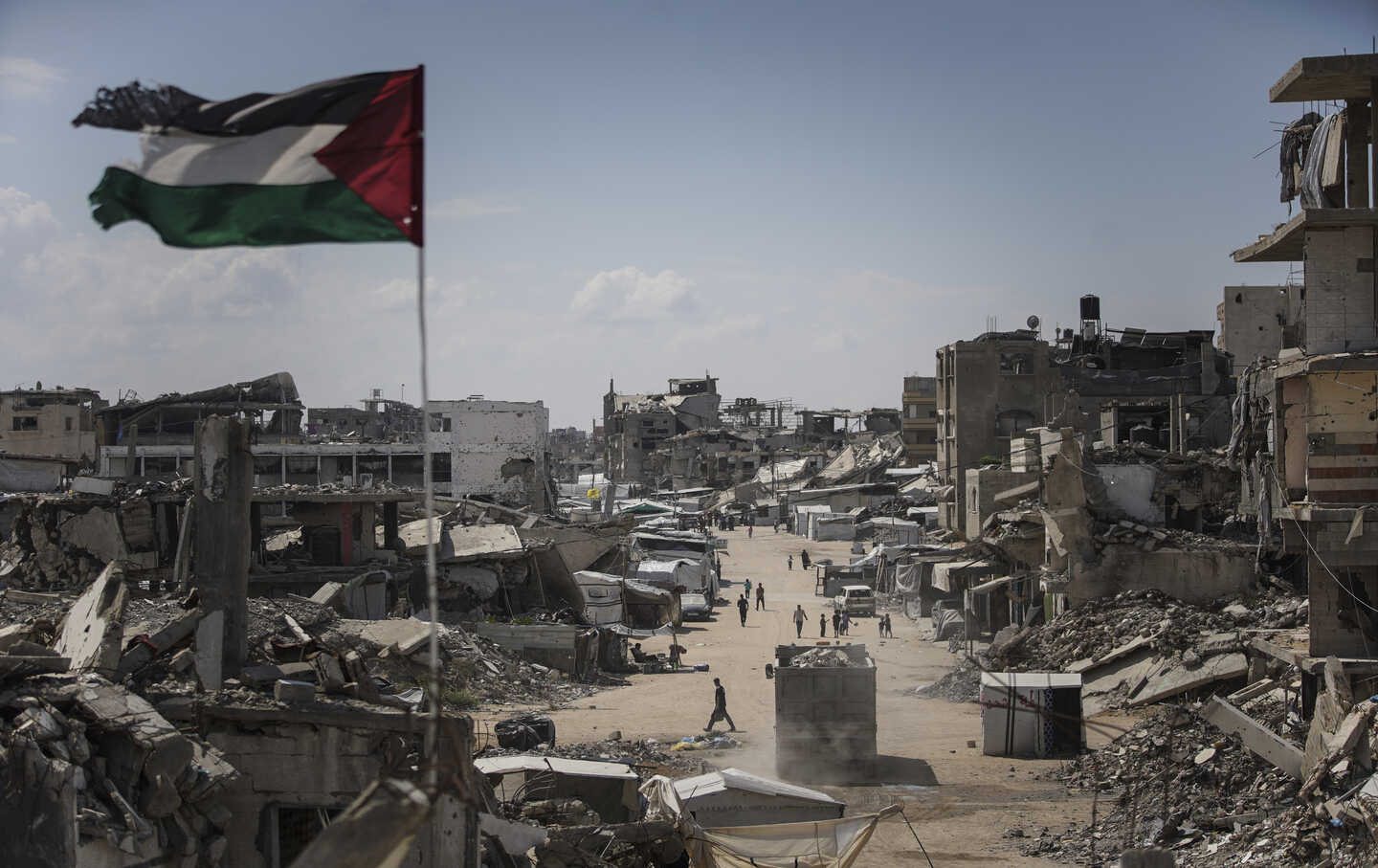
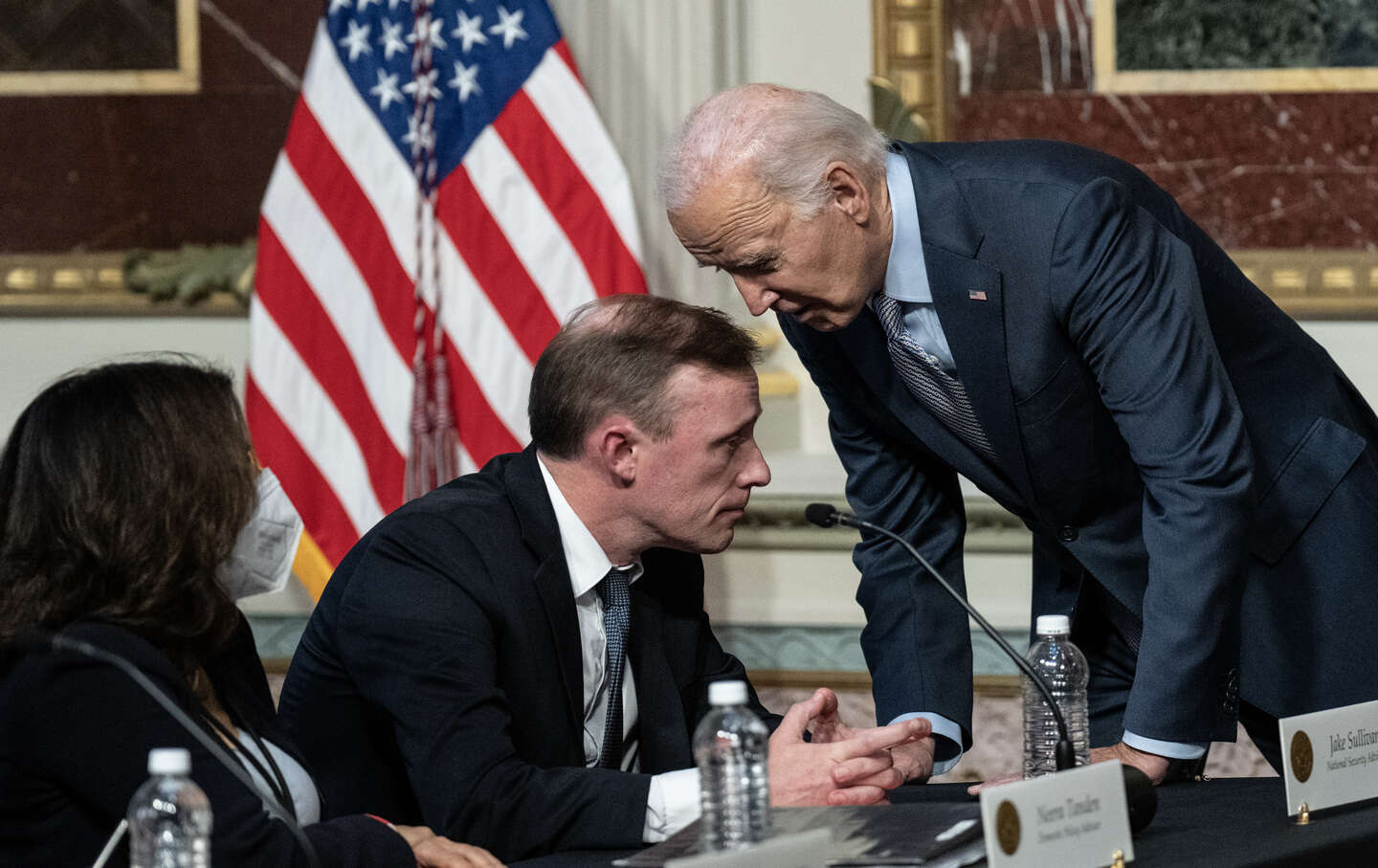
Netanyahu Rejects the ICC; the Saudis Push for a Security Deal With the US; Chinese Companies Will Be Sanctioned…
On this new episode of American Prestige, this week’s headlines from around the globe.

The Nation Podcasts
Here's where to find podcasts from The Nation. Political talk without the boring parts, featuring the writers, activists and artists who shape the news, from a progressive perspective.
News: Netanyahu Rejecting ICC, US-Saudi Security Deal, US Sanctioning Chinese Companies | American Prestige
Antony Blinken might claim to play the blues, but Danny and Derek have to deliver…the news. This week: in Palestine/Israel, the latest round of Gaza ceasefire talks (0:42), Netanyahu panics over a potential International Criminal Court (ICC) arrest warrant (6:54), and Blinken backs off of a threat to use the Leahy Law against IDF troops despite evidence of human rights abuses (10:39); Colombia announces that it will cut diplomatic ties with Israel (15:26); Saudi Arabia pushes for a security deal with the US (18:58); in Sudan, an imminent RSF attack on El Fasher in North Darfur (24:01); the US agrees to withdraw forces from Chad (25:26); Dutch PM Mark Rutte may be in line to become secretary general of NATO (28:33); new US sanctions will target Chinese firms supplying Russia (30:46); Ukrainian forces are falling back in Donetsk (33:10); in Haiti, a surprise PM appointment sparks dispute (35:04); and a New Cold War update featuring the potential addition of South Korea and New Zealand to AUKUS (37:09) and the Solomon Islands parliament’s election of a new PM friendly to China (39:50).
Advertising Inquiries: https://redcircle.com/brands
Privacy & Opt-Out: https://redcircle.com/privacy
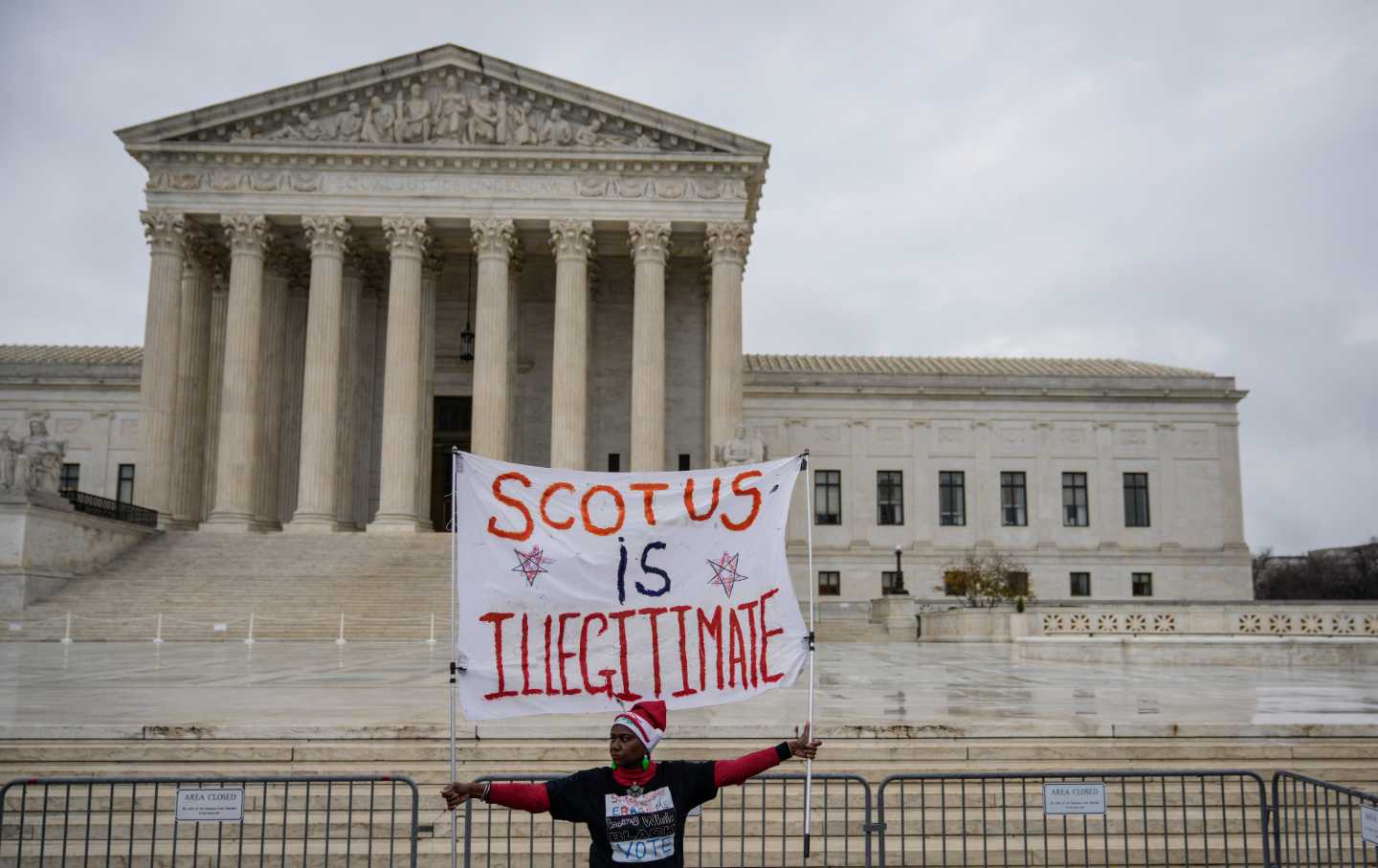
Demonstrators led by the protest group Code Pink wear masks of Israeli Prime Minister Benjamin Netanyahu as they sit at the entrance to the AIPAC policy conference, March 1, 2015.
(Jonathan Ernst / Reuters)This week: In Palestine/Israel, the latest round of Gaza cease-fire talks are held (0:42), Netanyahu panics over a potential International Criminal Court (ICC) arrest warrant (6:54), and Blinken backs off of a threat to use the Leahy Law against IDF troops, despite evidence of human rights abuses (10:39); Colombia announces that it will cut diplomatic ties with Israel (15:26); Saudi Arabia pushes for a security deal with the US (18:58); in Sudan, an RSF attack on El Fasher in North Darfur is imminent (24:01); the US agrees to withdraw forces from Chad (25:26); Dutch PM Mark Rutte may be in line to become secretary general of NATO (28:33); new US sanctions will target Chinese firms supplying Russia (30:46); Ukrainian forces are falling back in Donetsk (33:10); in Haiti, a surprise PM appointment sparks dispute (35:04); and, in a New Cold War update, South Korea and New Zealand may join AUKUS (37:09) and the Solomon Islands parliament elects a new PM friendly to China (39:50).
The Nation Podcasts
Here's where to find podcasts from The Nation. Political talk without the boring parts, featuring the writers, activists and artists who shape the news, from a progressive perspective.
Reparations as a Climate Solution w/ Brea Baker / A People’s Climate
“Those who own the land get to be decision makers over what happens to the land. They get to decide whether they're gonna frack and how much they’re going to pollute.”
Corporations have made fortunes by extracting from the land, while Black and Indigenous communities who have long understood land as something to steward have been systematically pushed off of it. But what if reparations could both repair the legacy of land theft and help solve the climate crisis?
In this episode of A People’s Climate, host Shilpi Chhotray speaks with writer and organizer Brea Baker, author of “Rooted: The American Legacy of Land Theft and the Modern Movement for Black Land Ownership.”
They discuss how land theft and slavery are connected to our broken industrial food system and the environmental crisis we’re living with today. But Brea argues that reparations are more than just a moral reckoning with the past — especially when they go beyond financial compensation. What does that look like in practice? Returning property. Reversing eminent domain seizures. Repairing polluted places. Investing in communities with generations of knowledge about the ecosystem. And the payoff reaches far beyond those directly receiving reparations: more sustainable land use, less pollution, lower emissions, and a healthier environment for all.
Key Topics
- Reparations as a climate strategy: How repairing historical harms can also create healthier ecosystems.
- Land theft and the extractive economy: How slavery, Indigenous dispossession, and land theft shaped our extractive economy.
- Black Land Ownership: How heirs’ property, USDA discrimination, predatory debt, and government policy stripped Black families of land and wealth, including Baker’s own family history.
- From plantations to Cancer Alley: How former plantation areas in Louisiana became sites of petrochemical development, linking the history of land ownership to pollution and public health.
- Eminent domain: What it would mean to use the government’s power to seize polluting facilities for the public good, rather than using it to take land from Black communities.
- Redefining reparations: Reparations can mean more than just financial compensation, including returning property, medical care, education, and more.
- Maroonage and mutual aid: How Black communities have built networks of collective care, self-determination, and survival outside systems that failed them.
- Reparations in practice: How cities and states are already implementing reparations, from direct payments to returning property to Black families.
Resources
- Rooted: The American Legacy of Land Theft and the Modern Movement for Black Land Ownership
- Learn more about Brea Baker
- All Revolution Is Based On Land with Leah Penniman – from A People’s Climate Season 1
Credits
Presented by Counterstream Media and The Nation
Powered by Wildseeds Fund
Host: Shilpi Chhotray
Executive Producer: Mindy Ramaker
Engineer: Dennis Maxwell
Project Manager: Asia Simms
Brea Baker
Brea Baker is a writer and activist whose book, ROOTED: The American Legacy of Land Theft & The Modern Movement for Black Land Ownership, details her family’s experiences across the South and makes another case for reparations as a racial, economic, and environmental justice policy. As a sixth generation Black landowner with deep ties to North Carolina, Brea writes about and organizes with Black Southerners whether with Black Farmers’ Market, Cypress Fund, the BLIS Collective, and many other political homes. Her next book, a biography of Jazz Age artist and nightclub owner Ada “Bricktop” Smith, will be published in 2027.
Advertising Inquiries: https://redcircle.com/brands
Privacy & Opt-Out: https://redcircle.com/privacy
Search Results placeholder