The Shuttering of Teen Vogue and the Silencing of Progressive Voices
The Shuttering of “Teen Vogue” and the Silencing of Progressive Voices
The disappearance of the platform is bigger than one newsroom.

Teen Vogue’s dissolution signals a troubling shift: the slow collapse of platforms willing to publish the truth about harm and healing in America.
(Phillip Faraone / Getty Images for Teen Vogue)When I learned that Teen Vogue had been absorbed into Vogue and its politics team had been laid off, it felt like another gut punch in a time of endless bad news. For nearly 10 years, Teen Vogue was an improbable home for some of the sharpest justice journalism in the country. While other outlets chased clicks or softened language, Teen Vogue published incisive essays on prisons, abortion criminalization, police violence, and democracy itself. Its writers didn’t just analyze systems of inequality and injustice—they handed the microphone to those who lived them first hand.
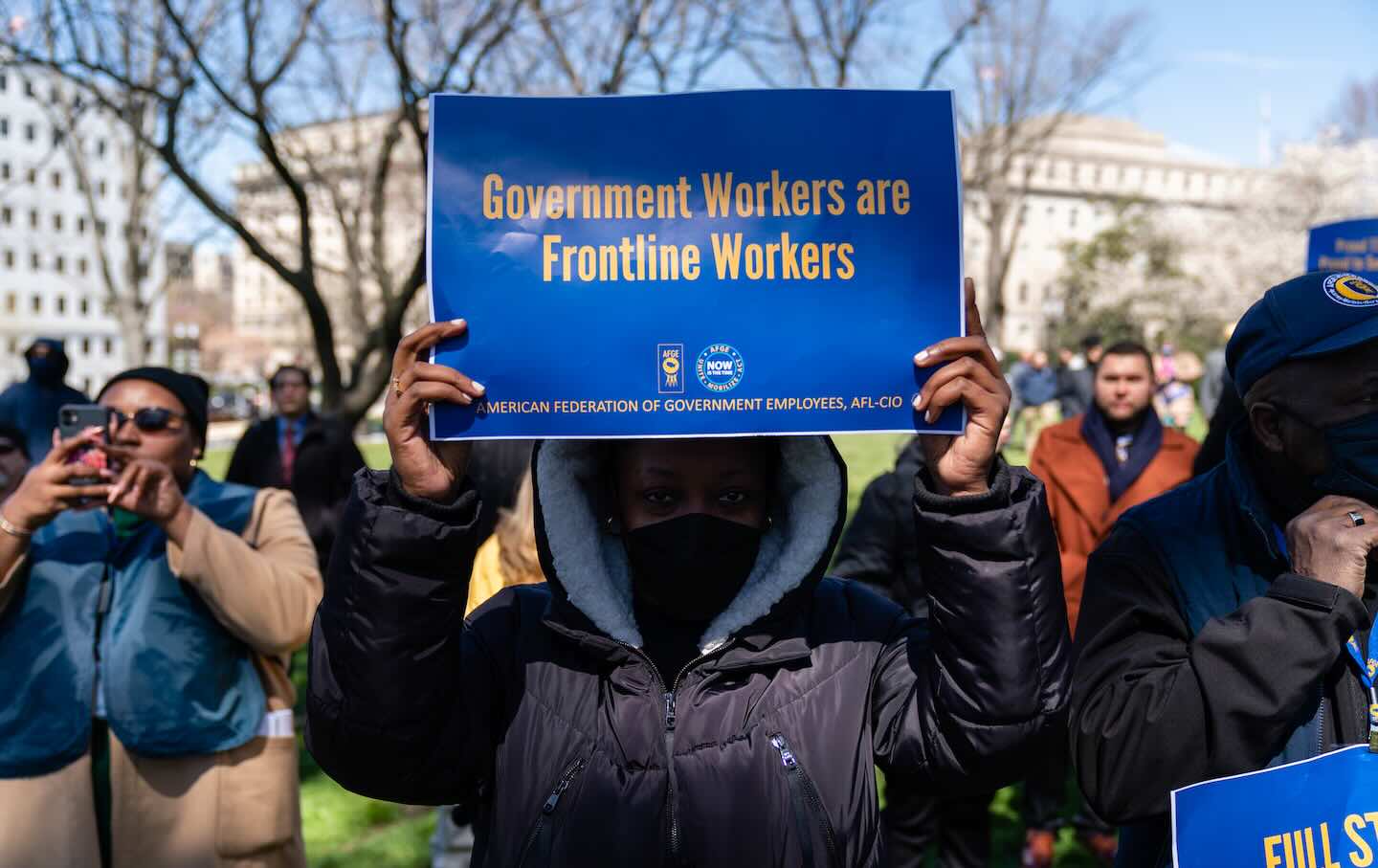
Teen Vogue’s dissolution signals a more troubling shift: the quiet disappearance of expert community voices from mainstream media and, more broadly, the silencing of those who challenge the dominant fear-mongering narratives that consolidate support for right-wing political agendas. It’s no coincidence that this silencing is unfolding alongside a broader assault on labor itself—evident in newsroom union fights like Condé Nast’s and a weakened National Labor Relations Board. These attacks are central to how authoritarian forces consolidate power and exert control.
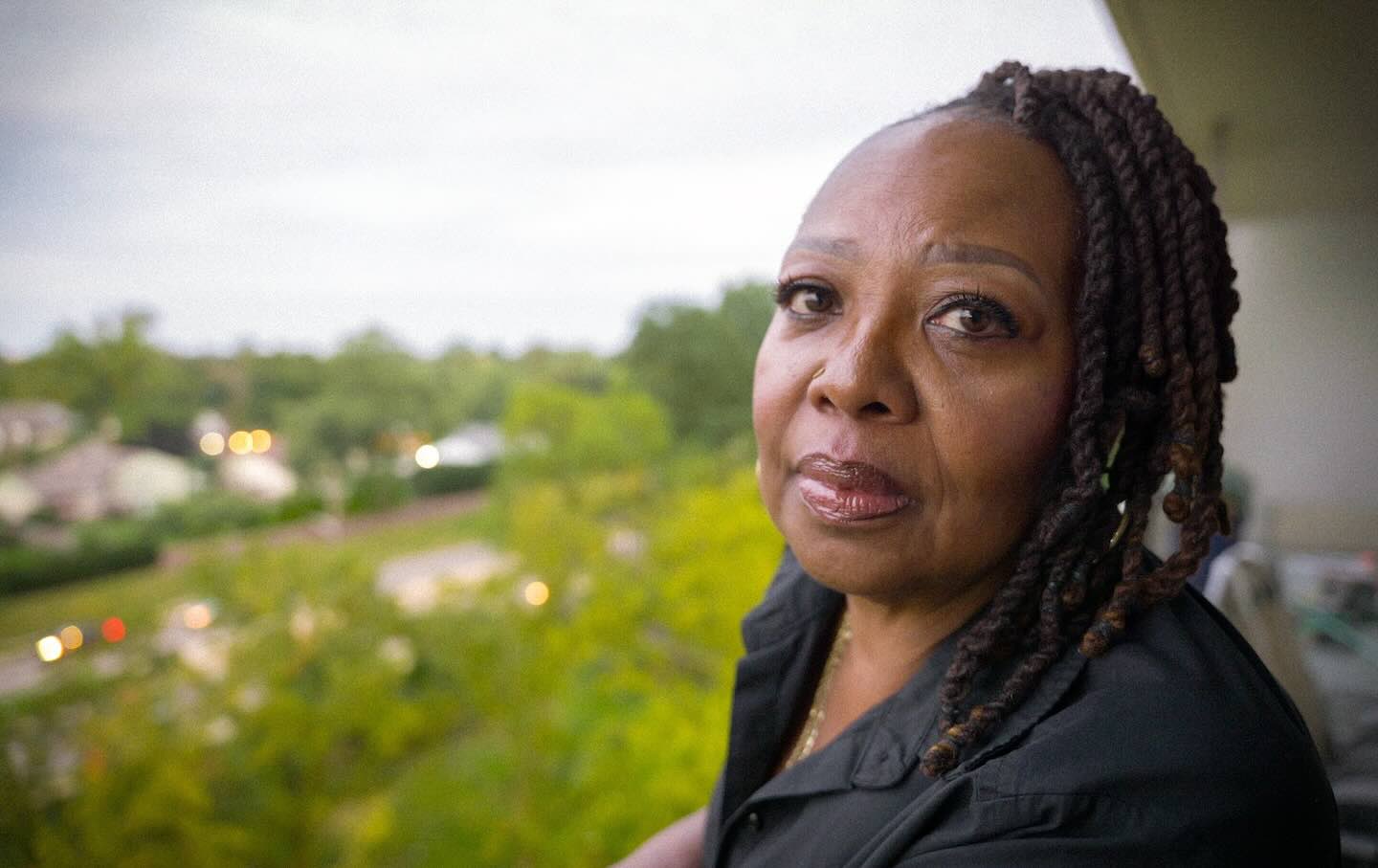
As a public defender for nearly a decade in Brooklyn, I spent long days in crowded courtrooms where lives were being decided in minutes, often with no audience, no cameras, and little understanding from the outside world. What struck me most was how many brilliant voices were being ignored: the people living through injustice every day, the defenders witnessing the system’s failures up close, and the advocates and organizers trying to transform it. That frustration is what led me to found Zealous, an initiative working to help those closest to injustice tell their own stories and shift public understanding of what safety, health, and justice really require.
Teen Vogue quickly became the outlet that brought that vision to life. Zealous has partnered with Teen Vogue on dozens of pieces that taught readers something rare in mainstream media—how justice actually works, and for whom.
These stories chronicled the last decade of American crisis and resistance: from 2018’s exposé of Louisiana’s collapsing public-defense system—where attorneys described “triaging human lives”—to essays on the fight against the “superpredator” myth and the criminalization of trauma survivors. During the Covid-19 pandemic, Teen Vogue and Zealous partnered to publish firsthand accounts from inside Cook County Jail, one of the country’s deadliest outbreaks. In the wake of the George Floyd uprising, we collaborated on coverage explaining how “copaganda” shapes what the public believes about safety. And when the Supreme Court overturned Roe v. Wade, together we connected the dots between reproductive rights and criminal punishment.
In total, we partnered on nearly 30 articles and video projects that traced a living history: the public-defense crisis, mass incarceration, pandemic neglect, protest repression, abortion criminalization, and the rise of abolitionist imagination. These articles form a timeline of how a generation learned to question punishment itself. They were also training grounds for readers—many encountering these issues for the first time—showing what critical media should look like: unafraid, intersectional, rigorous.
That Teen Vogue of all outlets became a pillar of serious justice reporting was no accident. Its editors understood that feminism without freedom is hollow. They treated youth not as consumers but as participants in democracy. And they modeled what real editorial bravery looks like: commissioning incarcerated writers and grassroots advocates, insisting on trauma-informed storytelling, and publishing work that demanded better from the system—and from us.
The disappearance of that platform is bigger than one newsroom. It signals the slow collapse of spaces willing to publish the truth about harm and healing in America. Newsrooms are shrinking. Foundations are retreating. And the journalists most fluent in justice—often women, gender-fluid, and people of color—are losing their jobs first. This contraction is not neutral; it is political. When the outlets willing to publish abolitionists, public defenders, and survivors vanish, public understanding narrows. Democracy weakens.
Teen Vogue’s work was originally driven by a mission to educate and empower young women and girls. Yet over time it reached far beyond that: Its reporting drew in the general public, academics, lawmakers, and cultural leaders. It shaped debate and informed policy. The team’s reach and influence proved that serious, justice-oriented journalism could thrive in unexpected places—and that youth media could change the world.
I don’t know if Condé Nast will reverse course. I hope it does. But whether or not Teen Vogue survives, the movement for truth must find new homes. We need editors who see expertise in lived experience, and we need funders who recognize that justice journalism is foundational to democracy. But we also need readers to keep seeking out the perspectives Teen Vogue elevated—to resist the idea that cable commentators or political pundits are our only experts.
The real truth-tellers are still out there: the organizers, survivors, defenders, and directly impacted people who understand what safety and justice demand. Our democracy depends on whether we choose to keep listening to them.